
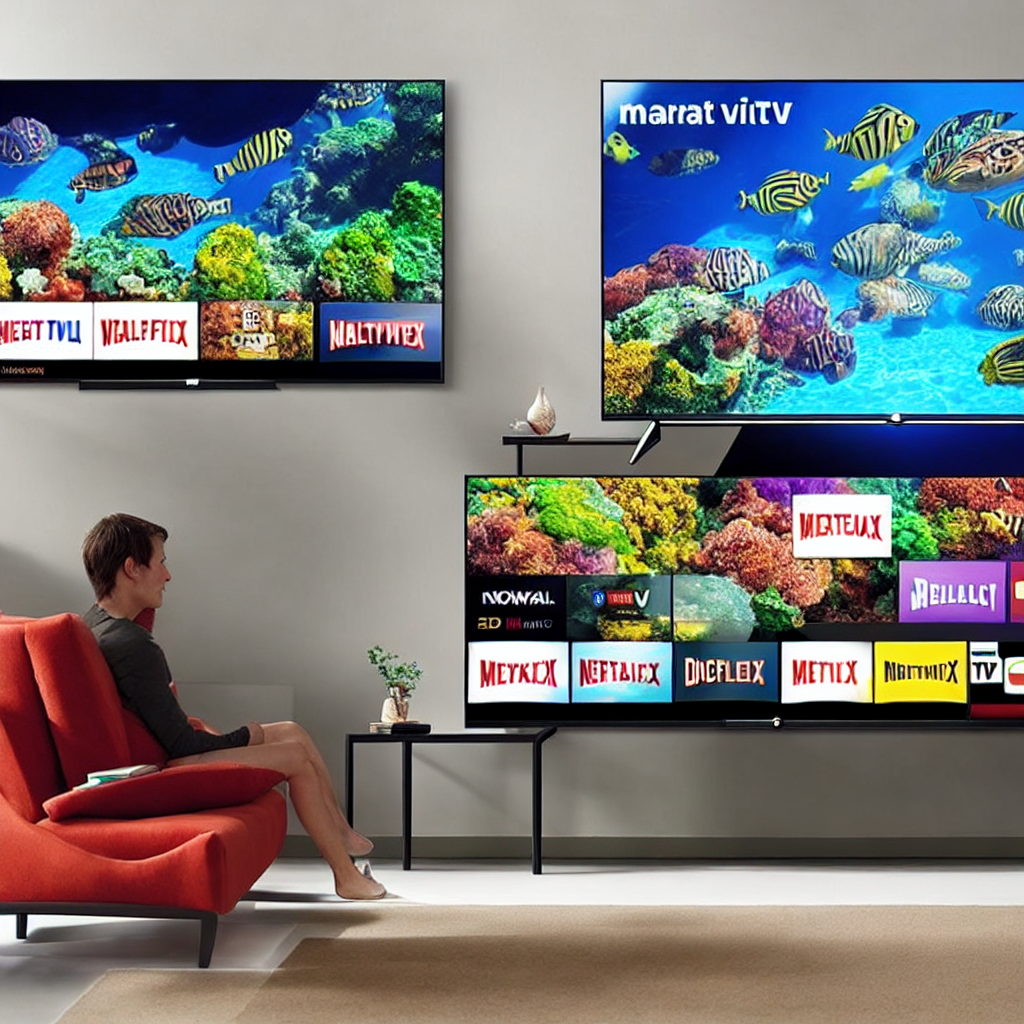
Android TV is an operating system based on Android designed to be used on .empresadeserviciosweb.com/que-es-la-tecnologia-de-televisores-qled-de-samsung/” title=”What is Samsung QLED TV technology?”>televisions and <a href="https://www.empresadeserviciosweb.com/stripe-en-wordpress-es-la-forma-mas-facil-de-aceptar-pagos-en-linea-desde-devices-moviles/” title=”Stripe on WordPress is the easiest way to accept online payments from mobile devices.”>devices for content streaming.
I recommend you check out this interesting article: How to search for keywords on your competitors.
It allows users to access a wide variety of apps, games, movies, TV shows, and music over the Internet.
Features main features of Android TV
- Easy-to-use and customizable user interface
- Integration with popular streaming services such as Netflix, Hulu, and Google Play Movies & TV
- Compatible with Android apps and games
- Voice control through Google Assistant
- Ability to view content online and in the cloud
How Android TV works
Android TV runs on a <a href="https://www.empresadeserviciosweb.com/pedir-google-encuentre-device-android-encontrar-mi-dispositivo-localizacion/” title=”How to Ask Google to Find My Device?”>device connected to your TV, such as a streaming box or a smart TV with Android TV already installed.
Once connected, you can access the apps and content available through the interface of Android TV’s user interface.
To control your Android TV device, you can use the remote control provided or download the app on your phone smartphone or tablet.
You can also use voice control through Google Assistant, simply by pressing the microphone button on your remote control or saying “Ok Google” near your device.
Advantages of using Android TV
- It offers a wide variety of content: Android TV gives you access to a large number of apps and streaming services, such as Netflix, Hulu, and Google Play Movies & TV, as well as Android games and apps.
- It makes connection with other devices easier: Android TV integrates with other devices in your home, such as smart speakers.
Disadvantages of using Android TV
Although Android TV has many advantages, it also has some disadvantages that should be taken into account when considering whether it is the right option for your home.
- It can be more expensive than other <a href="https://www.empresadeserviciosweb.com/post/que-options-de-busqueda-nos-permite-el-apartado-de-palabras-clave-en-google/” title=”What search options does the keyword section in Google allow us” class=”internal-link”>streaming options: Although there are affordable Android TV device options on the market, some devices and smart TVs with Android TV built in can be more expensive than other streaming options such as <a href="https://www.empresadeserviciosweb.com/como-solucionar-problems-de-autenticacion-y-firmware-con-chromecast/” title=”Chromecast outage: Google confirms major failure”>Chromecast or Amazon Fire Stick.
- It may require a faster Internet connection: To get the best streaming experience with Android TV, you may need a fast and stable Internet connection. If your Internet connection is slow or often experiences outages, you may have trouble playing content in HD or 4K quality.
- It may not be available in all regions: Although Android TV is available in many parts of the world, there are still some regions where it is not available or is not as popular as other streaming platforms.
Is Android TV the right option for you?
Ultimately, the choice of whether or not to use Android TV depends on your personal needs and preferences.
If you enjoy having a wide variety of content available and like the idea of being able to control your device with your voice, Android TV may be a good option for you.
If, on the other hand, you are looking for a more affordable option or do not need as many features and options, you may want to consider other streaming platforms.
Alternatives to Android TV
If, after considering your options, you decide that Android TV is not the right option for you, there are other streaming platforms you can consider.
Some of the most popular options include:
Chromecast
Chromecast is a content streaming device developed by Google that connects to your TV via HDMI and allows you to stream content from your smartphone, tablet, or computer to your TV.
Unlike Android TV, Chromecast does not have its own user interface or remote control; instead, it uses your smartphone or tablet as a remote control and allows you to stream content from compatible apps.
Amazon Fire Stick
Amazon Fire Stick is a content streaming device similar to Chromecast that connects to your TV via HDMI and allows you to stream content from your smartphone, tablet, or computer.
Unlike Chromecast, Fire Stick comes with a remote control and has its own user interface, making it easier to use for some people.
In addition, it has access to the Amazon app store and its streaming service, Amazon Prime Video.
Apple TV
Apple TV is a content streaming platform developed by Apple that connects to your TV via HDMI and allows you to stream content from your iPhone, iPad, or Mac.
Unlike Android TV and other streaming options, Apple TV is only compatible with Apple devices and offers access to apps and streaming services exclusive to Apple, such as iTunes and Apple TV+.
It also comes with its own remote control and has an easy-to-use user interface.
How to choose the right streaming option for you
With so many streaming options available, it can be difficult to decide which one is right for you. Some factors to consider when choosing a streaming platform include:
- Compatibility with your devices: If you already have a wide variety of Apple devices, you may want to consider Apple TV.
- If, on the other hand, you have Android devices or a Chromebook, you may want to consider an option such as Android TV or Chromecast.
- It is also important to consider which apps and streaming services you want to use and whether they are available on the streaming platform you are considering.
- Budget: If you are looking for an affordable option, you may want to consider Chromecast or Fire Stick instead of a smart TV with Android TV built in.
- However, keep in mind that although these options may be more affordable in the short term, they may require purchasing a remote control separately and do not offer the same amount of features and customization as a smart TV with Android TV.
- Ease of use: If you are concerned about ease of use, you may want to consider an option such as Android TV or Apple TV, which come with their own remote controls and have easy-to-use user interfaces.
- If you prefer to use your smartphone or tablet as a remote control, you may want to consider Chromecast or Fire Stick.
In the end, choosing the right streaming platform depends on your personal needs and preferences.
Carefully consider your options and read reviews and comparisons of different platforms before making a decision.
How to set up and use Android TV
Once you have decided that Android TV is the right choice for you and have purchased an Android TV device, the next step is to set it up and start using it.
Setting up Android TV may vary slightly depending on the device and manufacturer, but in general, the process is as follows:
- Connect your Android TV device to your TV and a power source.
- Follow the on-screen instructions to set up your language and internet connectivity. This may include entering your WiFi username and password or connecting to an Ethernet network if available.
- Once your device is connected to the internet, follow the on-screen instructions to complete the initial setup and create a Google account. This will allow you to access Google apps and services, such as Google Play Movies & TV and Google Play Music.
- Once you have completed the initial setup, you will be able to access the Android TV user interface and start using your favorite apps and services. You can browse the available apps and content using the remote control or the Android TV app on your smartphone or tablet.
Tips and tricks to get the most out of Android TV
Once you have set up and started using Android TV, here are some tips and tricks to get the most out of your device:
- Use voice control to search for content and control your device: Press the microphone button on your remote control or say “Ok Google” to activate voice control and search for content or control your device without having to use the remote control.
- Customize your user experience: Android TV allows you to customize your user experience by adding streaming apps and services to your home screen and creating personalized playlists of your favorite content.
- Use the Android TV app on your smartphone or tablet as a remote control: If you lose your remote control or simply like the convenience of using your smartphone or tablet as a remote control.
- Connect your Android TV device to smart speakers: If you have smart speakers in your home, such as Google Home or Amazon Echo, you can connect them to your Android TV device to control content playback and volume with your voice. This allows you to enjoy a more immersive home theater experience without having to use the remote control.
- Use the split-screen option to watch multiple things at the same time: If you like to watch multiple things at the same time or share your screen with others, you can use Android TV’s split-screen option to view multiple apps or streaming services at the same time.
- Keep your device and apps up to date: Make sure to keep your Android TV device and apps up to date to take advantage of the latest improvements and bug fixes. This can also help troubleshoot performance issues and improve the stability of your device.
With these tips and tricks, you should be able to get the most out of your Android TV device and enjoy all the content it offers.
How to troubleshoot common Android TV problems
Despite being a reliable streaming platform, problems with Android TV can sometimes arise. If you are experiencing issues with your device, here are some common solutions to common problems:
- Internet connectivity issues: If you are experiencing internet connection problems or content is not playing smoothly, make sure your device is connected to a strong and stable WiFi network and that there are not too many devices connected to the same network. You can also try restarting your router or connecting your device to an Ethernet network if available.
- Remote control issues: If the remote control is not working properly or is not responding, make sure the batteries are charged and that there are no obstacles between the remote control and the device. If the problem persists, you can try restarting the device or resetting the remote control to its factory settings.
- Apps or streaming services not working properly: If you are experiencing problems with a specific app or streaming service, make sure you are using the latest version of the app and that your device has enough free space to store the app. You can also try uninstalling and reinstalling the app or resetting your device to its factory settings.
If you keep trying to troubleshoot a problem and are unsuccessful, you may need to contact your device manufacturer or Google for further assistance. With a little patience and determination, you should be able to troubleshoot most common Android TV problems.