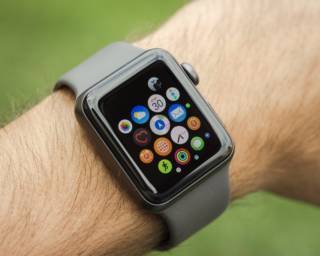
If you’re wondering how much does a smartwatch cost, the short answer is: anywhere from $30 to over $1,500. But that range is useless without context. The real price depends on what you actually need it to do. A $50 watch that tracks steps and shows notifications can be perfect for some people, while a $400 model with ECG and LTE might be overkill for others.
I’ve spent the last few weeks digging into current 2026 prices, reading reviews, and comparing specs. Here’s what I found, with no fluff.
Smartwatch Price Ranges: What You Get at Each Level
The smartwatch market in 2026 is split into four clear tiers. Knowing them saves you from overpaying or buying something that frustrates you in a month.
- Budget (under $100): Basic fitness tracking, notifications, and often 5-7 day battery life. Brands like Amazfit, Xiaomi, and generic Amazon finds dominate here. Don’t expect accurate GPS or advanced health sensors.
- Mid-range ($100-$300): This is the sweet spot. You get reliable heart rate monitoring, built-in GPS, SpO2, sleep tracking, and decent build quality. Samsung Galaxy Watch FE, Garmin Forerunner 165, and Apple Watch SE fall here.
- Premium ($300-$600): Apple Watch Series 10, Samsung Galaxy Watch 7, and Garmin Venu 3. These add ECG, temperature sensing, premium materials, and faster processors.
- Luxury/Ultra ($600+): Apple Watch Ultra 2, Garmin Fenix 8, and TAG Heuer Connected. Built for extreme sports, diving, or pure status. Most people don’t need this.
The key insight: the jump from $50 to $150 buys you way more real utility than the jump from $400 to $800. Diminishing returns hit hard after $300.
What Actually Drives the Price of a Smartwatch
Four components explain almost the entire price difference between models.
1. The display. AMOLED panels cost more than LCD. Always-on displays drain battery but look premium. A 1.9-inch AMOLED with 2,000 nits (like on the Apple Watch Ultra 2) costs significantly more than a basic LCD.
2. Health sensors. A basic optical heart rate sensor is cheap. Adding ECG, blood oxygen, skin temperature, and now even blood pressure (on some Samsung and Huawei models) requires FDA-cleared hardware and software. That’s where the money goes.
3. Connectivity. Bluetooth-only watches are cheaper. Add Wi-Fi, GPS, and LTE, and the price climbs $50-$150. LTE models also require a monthly carrier plan, usually $5-$15 on top.
4. Materials and battery. Aluminum vs. stainless steel vs. titanium. Gorilla Glass vs. sapphire crystal. A 300mAh battery vs. a 600mAh one. These add up fast.
My honest take: unless you’re a serious athlete or have a heart condition, you’re paying for materials and brand more than actual function once you cross $250.
How Much Does a Smartwatch Cost in 2026: Real Examples
Here are current street prices (not MSRP) for popular models in early 2026:
- Amazfit Bip 6: $70-$80. Great battery, basic tracking.
- Xiaomi Smart Band 9 Pro: $60-$70. More of a band than a watch, but solid.
- Apple Watch SE (2nd gen): $199-$249. Best entry into Apple’s ecosystem.
- Samsung Galaxy Watch FE: $199-$249. Similar deal for Android users.
- Garmin Forerunner 165: $249-$299. Best running watch under $300.
- Apple Watch Series 10: $349-$429 depending on size and cellular.
- Samsung Galaxy Watch 7: $299-$349.
- Garmin Venu 3: $399-$449.
- Apple Watch Ultra 2: $749-$799.
- Garmin Fenix 8: $999-$1,199.
Notice something? The how much does a smartwatch cost question has no single answer because the market is deliberately segmented. Every $50 increment targets a different buyer.
The sticker price isn’t the full story. Here’s what people forget:
Replacement bands. A decent silicone band costs $10-$30. Leather or metal? $50-$150. Apple’s official bands are notoriously expensive.
Chargers. Many budget watches use proprietary chargers. Lose it, and you might pay $15-$25 for a replacement. Some cheap models become e-waste when the charger dies.
Subscriptions. Whoop charges $239/year with no upfront hardware cost. Fitbit Premium is $9.99/month. Garmin Connect+ is $6.99/month. These add up to more than the watch itself over time.
LTE plans. If you want calls without your phone, expect $5-$15/month. Over two years, that’s $120-$360 extra.
Screen repairs. Cracked an Apple Watch Series 10 screen? Out-of-warranty repair runs $299. That’s almost the price of a new one. Always consider AppleCare+ ($79-$99) or Samsung Care+.
Should You Buy New, Refurbished, or Used?
I’ll defend this position firmly: for most people, a refurbished previous-generation flagship beats a new budget watch.
A refurbished Apple Watch Series 8 with a warranty costs around $200-$250. It has ECG, always-on display, and premium build. A new $200 budget watch from a no-name brand has none of that.
Where to buy refurbished safely:
- Apple Certified Refurbished (best warranty, like-new condition)
- Amazon Renewed (check the seller rating)
- Back Market (good for Samsung and Garmin)
- Swappa (peer-to-peer, but verify IMEI and battery health)
Avoid eBay listings with stock photos and no return policy. Battery degradation is the main risk. Ask for a battery health screenshot if buying used.
The Battery Life Trade-Off
Here’s a dirty secret: the more features a smartwatch has, the worse its battery life. Apple Watch Ultra 2 claims 36 hours (72 in low power). A $70 Amazfit Bip 6 lasts 14 days. That’s not a coincidence.
If charging every night annoys you, prioritize battery over features. Garmin and Amazfit win here. Apple and Samsung sacrifice battery for performance and app ecosystems.
My rule of thumb: if you want sleep tracking, don’t buy a watch that needs daily charging. You’ll either skip charging (and miss tracking) or skip sleep tracking (and waste the feature).
When a Smartwatch Isn’t Worth the Money
Plenty of people buy smartwatches and stop using them after three months. Be honest with yourself.
If you mainly want step counting and notifications, a $60 fitness band does 90% of what a $400 watch does. If you want to leave your phone at home, you need LTE, which means a premium model plus a monthly plan.
If you’re into serious running or triathlon, Garmin’s training metrics justify the price. If you just want to look stylish, a hybrid watch like the Withings ScanWatch 2 ($349) gives you analog looks with basic health tracking.
The worst purchase is a $500 watch used only for checking the time and getting WhatsApp alerts. That’s a $500 notification device.
Frequently Overlooked: Compatibility Matters
An Apple Watch only works with iPhone. Period. No Android support, no workarounds. If you have an Android phone, forget Apple entirely.
Samsung Galaxy Watches work best with Samsung phones but do pair with other Android devices (with some feature loss). Garmin, Amazfit, and Fitbit work with both iOS and Android.
This compatibility lock-in is a hidden cost. Switching phone brands later might mean replacing your watch too.
Final Word on Smartwatch Pricing
The honest answer to how much does a smartwatch cost is: spend $150-$300 unless you have a specific reason to go higher. That range gets you accurate health tracking, GPS, a good screen, and multi-day battery life.
Below $100, you’re compromising on sensors and build. Above $400, you’re paying for materials, LTE, or niche sport features most people never use. Refurbished flagships are the smartest play if you want premium features on a budget.
And whatever you buy, factor in the hidden costs: bands, chargers, subscriptions, and repairs. The watch is just the entry ticket.