

What is neuromarketing and why is it revolutionizing <a href="https://www.empresadeserviciosweb.com/con-una-buena-strategy-seo-tu-negocio-en-barcelona-puede-crecer-de-forma-exponencial/” title=”SEO in Barcelona: strategies to grow your business and improve your web positioning”>marketing strategies?
I recommend you check out this interesting article: <a href="https://www.empresadeserviciosweb.com/que-son-las-palabras-key-long-tail-y-por-que-son-cruciales-para-tu-estrategia-seo/” title=”What are Long Tail Keywords and why are they crucial for your SEO strategy?” class=”internal-recommendation” target=”_self” rel=”noopener”>What are Long Tail Keywords and why are they crucial for your SEO strategy?.
Neuromarketing is the use of studies of the brain and human behavior to design more effective advertising <a href="https://www.empresadeserviciosweb.com/guia-campanas-campaigns-exitosas-2025/” title=”How to create successful advertising campaigns? 🤔”>campaigns. This discipline analyzes how visual, auditory, and emotional stimuli influence purchasing decisions, optimizing the connection with consumers. .
Neuromarketing has gained <a href="https://www.empresadeserviciosweb.com/que-son-las-silos-en-seo-y-como-ayudan-a-mejorar-la-relevance-de-un-sitio/” title=”What are SEO silos and how do they help improve a site’s relevance?”>relevance thanks to its scientific approach, which combines psychology, neuroscience, and advertising. For example, studying which colors generate trust or which sounds inspire emotion allows you to create campaigns that resonate with the target audience.
Furthermore, this technique goes beyond simple demographic data, penetrating the emotions, desires, and habits of customers to generate a stronger emotional connection. That is why many brands have begun to integrate neuromarketing into their strategies, obtaining <a href="https://www.empresadeserviciosweb.com/que-es-seo-y-por-que-es-importante-para-los-sitios-web/" title="What is SEO, its impact on websites and the reasons why it is so important to obtain results“>surprising results in loyalty and sales.
Geomarketing: Practical examples that are transforming commerce
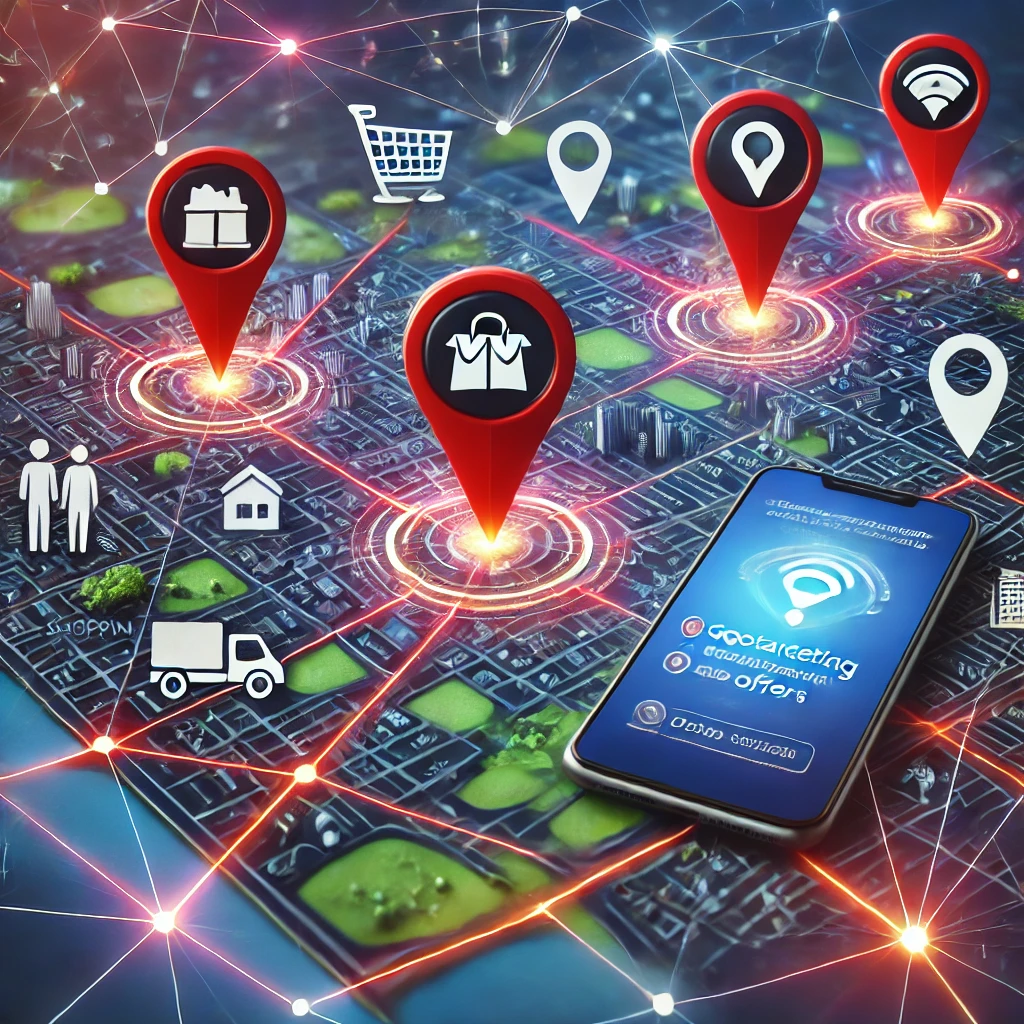
Geomarketing uses geographic data to create targeted, personalized advertising campaigns based on location. For example, imagine receiving a special offer from your favorite coffee shop right when you are near it. This technique combines location analysis with advertising strategies to increase conversion probabilities.
Examples of effective geomarketing:
- Personalized alerts: A restaurant sends real-time discounts to people within a 2 km radius.
- Segmented advertising: Clothing companies offer specific products according to the climate of each region.
- Logistics optimization: Supermarkets adjust inventories based on consumption habits by area.
These geomarketing examples show how brands can improve their results through strategies based on local data.
Geotargeting and Geofencing: Differences and key applications
Geotargeting and geofencing are tools derived from geomarketing. Although they are related, they have key differences:
- Geotargeting: Focuses on offering personalized advertising to people in a specific area, such as a city or neighborhood.
- Geofencing: Creates a “virtual fence” around a location, triggering specific messages when someone enters or leaves that area.
For example, a store can use geofencing to send offers when someone enters a shopping mall. The impact of these strategies lies in their ability to increase relevance and capture the customer’s attention at the ideal moment.
Emotional marketing: The power of connecting with feelings
Emotional marketing is a strategy that uses emotions to influence purchasing decisions. Studies have shown that emotions, more than logic, are the main driver behind consumer decisions.
Brands that appeal to emotional marketing manage to establish lasting connections. A great example is the Coca-Cola campaign that associates its product with happiness and family unity. Incorporating stories that awaken nostalgia, joy, or empathy in your campaigns can drastically increase their impact.
Benefits of geomarketing: A competitive advantage
The benefits of geomarketing range from more precise segmentation to higher conversion. Some key advantages include:
- Personalization: Messages tailored to the user’s location.
- Cost savings: Focusing resources on areas with greater potential.
- Improved customer experience: Offering relevant content in real time.
- Predictive analytics: Identify trends in different regions.
Integrating geomarketing into your strategies can optimize your advertising efforts and significantly increase return on investment.