Switching from Android to iPhone in 2026 is not the drama you have been sold. I have done it twice, and the second time took me less than 40 minutes from unboxing to having WhatsApp, photos, and bank apps working. The real problem is not the migration itself, it is the mental shift. You are leaving a system built for tinkerers and entering one built for people who want their phone to just work. That trade feels like a downgrade for about a week, and then it clicks.
Here is the honest breakdown of what matters before you pull the trigger, with the stuff Apple’s marketing page conveniently skips.
Move to iOS works, but only if you do it right
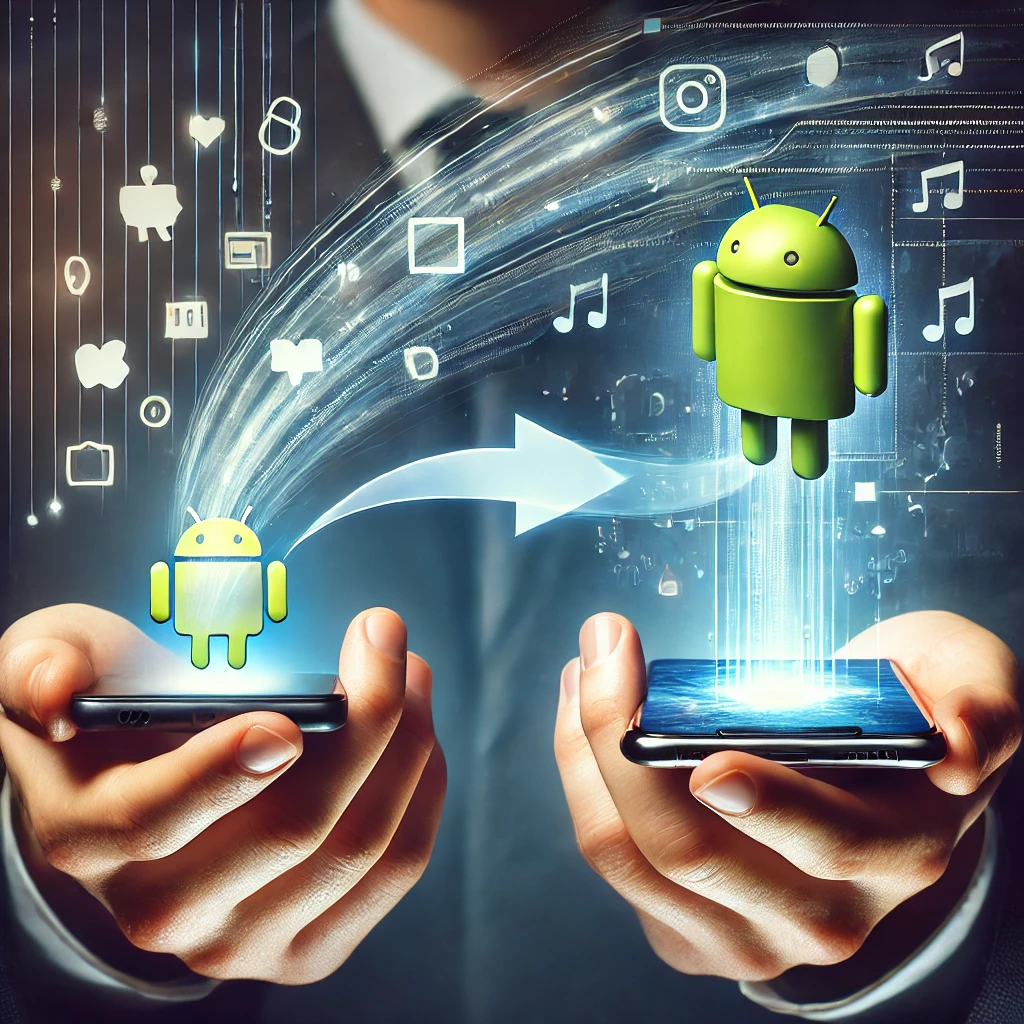
Apple’s Move to iOS app is the official tool for transferring data from Android to iPhone, and it genuinely works. Contacts, SMS history, photos, calendars, and even some app data cross over. But it is picky. Your Android phone needs to be plugged into power, both devices need to be on the same Wi-Fi network, and your iPhone must be factory-fresh. If you already set up the iPhone and started using it, you have to erase it to run the transfer. Do the migration on day zero or you will regret it.
WhatsApp is the exception everyone trips on. It has its own built-in transfer tool now, and it does not use Move to iOS. You need a Lightning or USB-C cable connecting both phones, and the Android version of WhatsApp must be updated. Do that one separately, before or after, never during.
iPhones are not faster because of magic, they are faster because of control
The reason an iPhone 12 from 2020 still feels snappy in 2026 is not some secret chip wizardry. It is that Apple controls the silicon, the OS, and the app store, so nothing runs that has not been optimized for the exact hardware. Android phones from the same year often lag because Qualcomm ships a chip, Google ships an OS, and Samsung ships a skin on top of it, and none of them talk to each other well enough.
That closed ecosystem is a feature, not a bug. You will notice it in small things: no random battery drain from a rogue app, no ads in the notification shade, no preinstalled carrier junk you cannot delete. What you lose is real too. No sideloading APKs, no custom launchers, no replacing the default browser engine. If those things matter to you, stay on Android. I mean that.
The customization gap is smaller than it used to be, but it still exists
Android users who switch and complain are usually complaining about the home screen. On iOS you get a grid of icons, widgets you can now actually place anywhere (since iOS 18), and that is mostly it. No app drawer, no icon packs without Shortcuts workarounds, no system-wide themes. iOS 26 finally added more home screen freedom, but it is still Apple-approved freedom.
What surprised me was how little I missed it after two weeks. The trade is real: you give up control, you get consistency. Apps behave the same way, gestures are identical across the system, and nothing looks like it was designed by a different team on a different Tuesday.
Battery, camera, and the stuff that actually matters daily
The camera argument is overstated in one direction and understated in another. iPhones are not automatically better than every Android flagship. A Pixel or a Galaxy Ultra will beat an iPhone in zoom and often in low light. But an iPhone beats almost every Android phone in one thing: consistency. Point, shoot, get a usable photo, every single time, no settings to fiddle with. If you are not a photographer, that matters more than a 200MP sensor.
Battery life is where the switch hurts the most. Android phones have been shipping 5000mAh cells for years. Base iPhones are still smaller, and while iOS sips power, a heavy user will notice the difference. If you are coming from a mid-range Android with a huge battery, expect to charge more often, not less.
Security, privacy, and the part Apple downplays
iOS is more locked down, and that is genuinely better for most people. Sideloaded malware, sketchy APKs, fake banking apps, all of that is much harder on iPhone. App Store review is imperfect but it catches things Google Play does not. If you have ever had a parent or grandparent install something they should not have, an iPhone is the safer gift.
Apple’s privacy marketing is louder than its privacy reality, though. It still collects data, it still runs its own ad business, and Google is still the default search engine because Apple gets paid billions for it. The difference is that Apple keeps more of that data on-device rather than shipping it to advertisers. That is a real difference, just not a moral one.
What it actually costs to switch in 2026
iPhones are expensive, and the accessories are worse. No charger in the box, no headphone jack since 2016, and Lightning cables were a tax until USB-C finally landed on the iPhone 15. If you are coming from Android, you probably already have USB-C cables, so at least that pain is over.
What you get for the money is resale value. A three-year-old iPhone sells for more than a three-year-old Android flagship, every time. That softens the price gap if you upgrade regularly. If you keep phones until they die, the math favors whatever you already own.
Quick answers to what people actually ask
- Will I lose my data? No, if you back up your Android first and use Move to iOS plus the WhatsApp transfer tool. Do it on a fresh iPhone.
- Do my apps transfer? Not directly. You reinstall them from the App Store and log in again. Annoying, but a one-time afternoon.
- Can I customize an iPhone like Android? Not really. Widgets and some icon tricks, yes. Launchers and themes, no.
- Is iOS harder to learn? It is easier, not harder. The difficulty is unlearning Android habits, not learning iOS.
- Should I switch? If you want a phone that stays fast and gets updates for six-plus years without thinking about it, yes. If you want control, sideloading, and a big battery, no.
The switch from Android to iPhone is not a leap of faith. It is a trade. You give up flexibility and buy consistency. Whether that is a good deal depends entirely on which one you were actually using.