

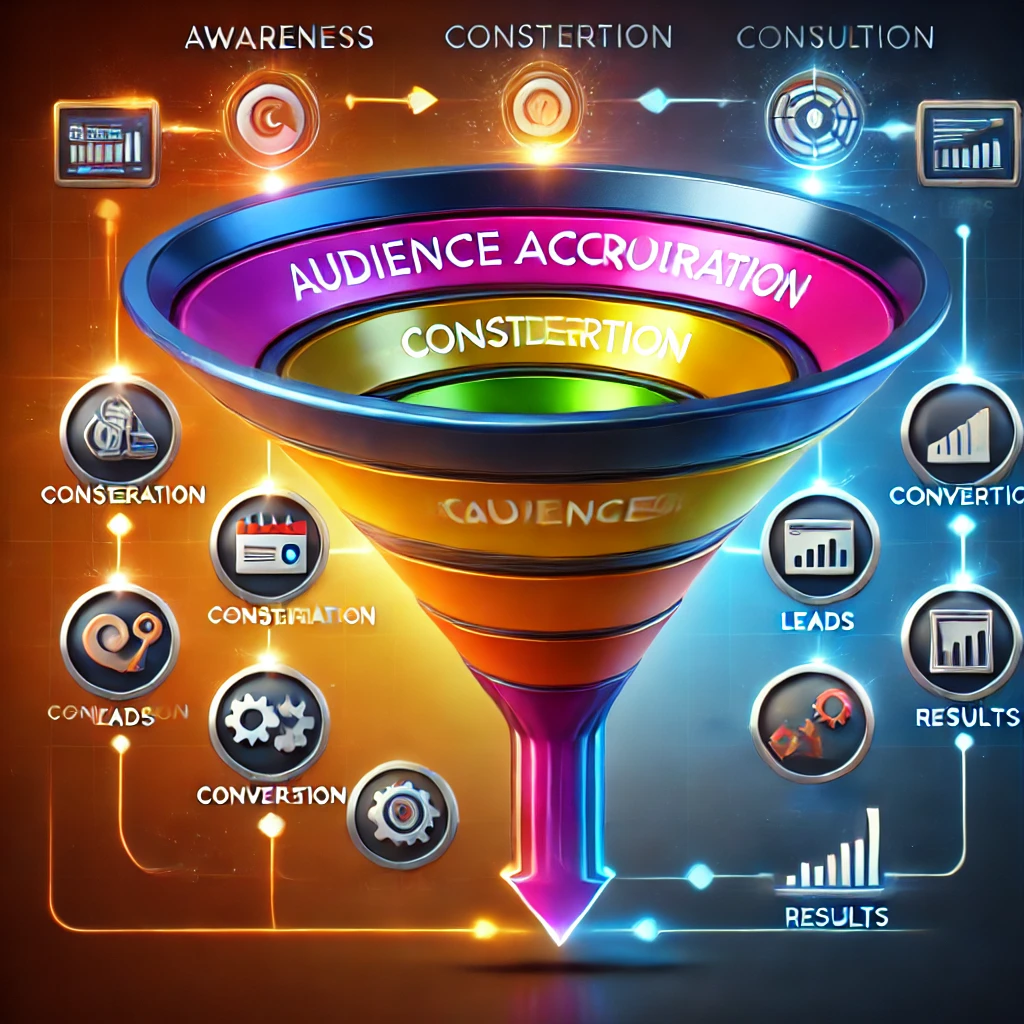
Performance marketing is dead simple: you pay only when someone actually does something. A sale, a lead, a sign-up, an app install. No vanity metrics, no «brand awareness» fairy tales. If it doesn’t move the needle, it doesn’t get your money. That’s the whole game in 2026, and it’s the only advertising model I’d bet a real budget on right now.
Unlike traditional advertising where you burn cash and pray, performance marketing flips the script. You define the action, you track the action, you get paid on the action. Return on investment stops being a quarterly PowerPoint slide and becomes a daily dashboard number you can actually act on.
Why Performance Marketing Rules the Digital Playground
The digital environment changed everything. People don’t sit through TV ads anymore, and they sure as hell don’t trust banner blindness. They search, they scroll, they compare. That’s where results-driven marketing eats everyone else’s lunch.
With performance marketing you can measure every single click, every scroll depth, every abandoned cart. Tools like Google Analytics 4, Meta’s Conversions API, and server-side tracking give you a level of visibility that old-school media buyers would have killed for in the 90s.
And here’s the kicker: you optimize in real time. If a campaign is bleeding money at 2 PM, you kill it at 2:05. No waiting for the monthly report to find out you wasted 10 grand.
Key benefits that actually matter:
- Precise measurement: Every euro is traceable to a specific action.
- Real-time optimization: Fix broken campaigns before lunch.
- Guaranteed ROI: You only pay when the result happens.
- Laser segmentation: Target people by behavior, not just demographics.
In a world where every click costs money, performance marketing is the only model that puts the risk on the platform, not on you.
How Performance Marketing Actually Works (No Fluff)
Forget the academic breakdowns. Here’s what happens when you run a real performance marketing campaign:
You pick a clear objective. Not «increase brand awareness.» Something like «generate 200 qualified leads at under $15 each by March 31.» That’s a real goal.
You choose your battlefield. Google Ads for high-intent search. Meta Ads for cold audience testing. LinkedIn Ads if you’re in B2B and your prospects actually have a budget. TikTok Ads if you’re chasing Gen Z and don’t mind chaotic creative.
You build content that stops the scroll. A boring ad is a dead ad. Your call to action needs to be so obvious that a distracted user on the toilet can’t miss it.
Then you measure. CTR, CPA, ROAS, LTV. If you don’t know these acronyms, you’re already losing money. Continuous analysis is the heartbeat of performance marketing.
Strategies That Separate Winners from Wannabes
Plenty of people talk about performance marketing. Few execute it without setting cash on fire. Here’s what actually works.
1. Define SMART objectives or don’t bother
«Increase sales» is not a goal. «Increase online sales by 20% in Q2 2026» is a goal. «Generate 500 qualified leads by September» is a goal. Vague targets produce vague results and zero accountability.
2. Know your audience better than they know themselves
Google Trends, Meta Audience Insights, survey data, heatmaps. Use everything. The better you understand what keeps your audience up at night, the more effective your performance marketing becomes.
3. Use pay-per-action platforms wisely
Google Ads for search intent. Meta Ads for scale and retargeting. LinkedIn for B2B decision-makers. TikTok for cheap reach and creative testing. Don’t spread yourself thin across all of them at once — pick two, dominate them, then expand.
4. Create ads people actually want to click
An ad that doesn’t grab attention in the first 1.5 seconds is dead on arrival. Clear CTAs, strong hooks, relevant visuals. That’s non-negotiable.
5. Analyze, adjust, repeat
Review metrics weekly, not quarterly. Kill what’s not working. Scale what is. Rinse and repeat. This is the boring part that separates profitable campaigns from expensive hobbies.
Mistakes That Will Drain Your Budget Fast
Even smart marketers screw this up. Here’s what to avoid.
- No clear objectives: Without KPIs from day one, you’re flying blind.
- Ignoring data: If you’re not analyzing metrics, you’re just gambling.
- Terrible landing pages: A slow, ugly landing page kills the best campaign instantly.
- Cluttered ads: Too much information = zero conversions.
- No A/B testing: If you’re not testing, you’re guessing. And guessing costs money.
The difference between a profitable performance marketing campaign and a money pit usually comes down to discipline, not budget.
The Future of Performance Marketing: What’s Coming in 2026 and Beyond
Performance marketing isn’t standing still. AI is rewriting the rulebook as we speak. Google’s AI-powered campaigns, Meta’s Advantage+ suite, automated bidding algorithms — the machines are getting scary good at finding buyers.
Key trends you can’t ignore:
- AI-driven campaign creation: Tools generate and optimize ads with minimal human input.
- Automation at scale: Manage dozens of campaigns without a massive team.
- Predictive analytics: Anticipate consumer behavior before it happens.
- Emerging platforms: TikTok, Reddit Ads, and retail media networks are becoming serious players.
If you’re not testing AI tools now, you’ll be paying premium prices later to catch up.
Why Performance Marketing Is Non-Negotiable for Your Business
Performance marketing isn’t a tactic. It’s a philosophy. You pay for results, not promises. You optimize based on data, not gut feelings. You scale what works and kill what doesn’t.
Whether you run a local e-commerce store or a B2B SaaS company, the principles are the same. Define the action. Track the action. Optimize relentlessly. Build stronger relationships with your audience by actually delivering value instead of shouting into the void.
The businesses that adopt performance marketing today will be the ones still standing in 2027. The ones that don’t? They’ll be wondering why their ad budget disappeared with nothing to show for it.
