

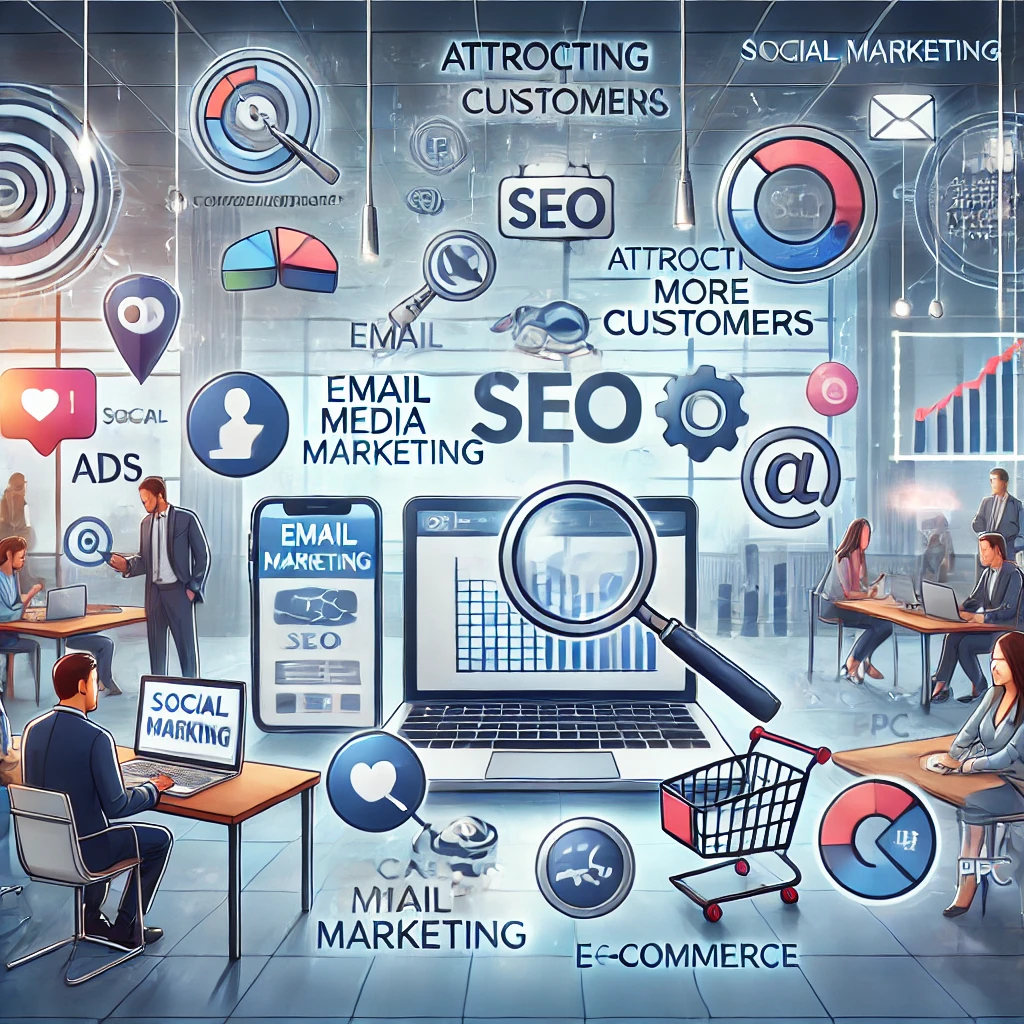
Digital marketing isn’t just running ads on Facebook and hoping for the best. It’s a full ecosystem where data, creativity, and technology collide to turn strangers into paying customers. If you’re still thinking of it as «online advertising,» you’re already behind. In 2026, digital marketing means building a measurable, personalized, and automated machine that works while you sleep.
I’ve seen too many small businesses throw money at Instagram boosts without a clue about what they’re getting back. That’s not marketing—that’s gambling. Real digital marketing starts with a question: what do you want people to do, and how will you know if they did it? Everything else is noise.
Traditional vs. Digital Marketing: The Gap Is Personalization
Traditional marketing—TV, radio, print—was a shotgun blast. You paid for eyeballs, not for results. Digital marketing is a sniper rifle. You can target a 34-year-old vegan runner in Austin who just searched for «best plant-based protein powder.» That level of precision is why digital marketing strategies now dominate budgets.
But here’s the catch: traditional still works for brand awareness in some niches. A local plumber might get more calls from a radio spot than from Google Ads. The difference is that digital lets you measure every click, every scroll, every abandoned cart. Traditional gives you a fuzzy feeling. Digital gives you a spreadsheet.
I’d argue that the smartest play is hybrid: use traditional to build trust in your community, then use digital to capture and convert that attention. But if you have to pick one, pick digital. It’s cheaper, faster, and you can pivot in hours instead of months.
The Core Tools That Actually Move the Needle
You don’t need every shiny tool. You need three pillars: SEO, paid ads, and email. That’s it. Everything else is a variation. SEO gets you free traffic from Google. Paid ads (Google, Meta, TikTok) buy you instant attention. Email marketing turns that attention into repeat revenue. Ignore any of these and you’re leaving money on the table.
Let’s talk specifics. For SEO, focus on long-tail keywords like «how to fix WhatsApp photos not saving to gallery»—those are the queries that bring buyers, not browsers. For paid ads, test small budgets across platforms and kill anything that doesn’t hit a 2x return. For email, segment your list by behavior. Someone who bought once shouldn’t get the same message as someone who’s been lurking for six months.
And don’t sleep on automation. Tools like Zapier, HubSpot, and even ChatGPT can handle the repetitive crap—welcome emails, abandoned cart reminders, social scheduling—so you can focus on strategy. Automation isn’t about replacing humans; it’s about freeing them up to do the stuff machines can’t: building relationships.
How to Measure Digital Marketing Without Lying to Yourself
Vanity metrics are a plague. Likes, shares, impressions—they feel good but they don’t pay bills. The only numbers that matter are conversion rate, cost per acquisition (CPA), and customer lifetime value (CLV). If you can’t connect your marketing spend to revenue, you’re flying blind.
Set up Google Analytics 4 (GA4) properly. Use UTM tags on every link. Track phone calls and form submissions. Then look at the data weekly, not monthly. A campaign that’s bleeding money for 30 days is a disaster; you can fix it in 3 if you’re paying attention.
I’ll be blunt: most small businesses don’t need a data scientist. They need a simple dashboard that shows three things: where traffic comes from, what it costs, and what it earns. If you can’t explain your ROI in one sentence, you don’t have a strategy—you have a hobby.
Social media isn’t a billboard. It’s a bar. You don’t walk into a bar and scream «BUY MY STUFF.» You have a conversation, tell a story, make people laugh. That’s how you build an audience that actually gives a damn. Social media marketing in 2026 is about community, not broadcasting.
Platforms like TikTok and Instagram reward authenticity and consistency. Post three times a week minimum. Reply to every comment for the first hour. Use video—short, vertical, captioned. People watch with the sound off. If you’re not doing video, you’re invisible.
Influencer marketing still works, but micro-influencers (10k–50k followers) often outperform celebrities because their audience trusts them. Just make sure the influencer’s values align with yours. One bad partnership can tank your brand faster than any ad campaign can build it.
Emerging Trends You Can’t Ignore in 2026
Artificial intelligence is no longer a buzzword. It’s writing copy, generating images, personalizing product recommendations, and even answering customer service chats. If you’re not using AI to some degree, you’re competing with one hand tied behind your back. But don’t let it sound like a robot—edit everything.
Voice search is another one. «Hey Google, where’s the best pizza near me» is how people search now. That means your SEO needs to target conversational, question-based keywords. Long-tail queries are your friend. Optimize for «near me» and «how to» phrases.
And then there’s the rise of zero-click content. People get answers directly on Google or social media without visiting your site. So your content needs to be so good that they seek you out anyway. Build a brand, not just a website.
How to Build a Campaign That Doesn’t Suck
Start with the end in mind. What’s the goal? Sales? Leads? Awareness? Pick one. Then define your audience: age, location, pain points, dreams. Then craft a message that speaks directly to that pain. Don’t be clever; be clear.
Map out your channels. If your audience is on LinkedIn, don’t waste time on Snapchat. If they’re on Pinterest, invest in vertical images. Then set a budget and a timeline. A campaign without a deadline is a wish.
Finally, measure everything. A/B test your headlines, your images, your calls to action. What works today might flop tomorrow. The only constant in digital marketing is change. Embrace it or get left behind.
So yeah, digital marketing is complicated. But it’s also the most powerful tool you have to grow a business in 2026. Stop overthinking and start testing. Your future customers are already online. Go find them.
