

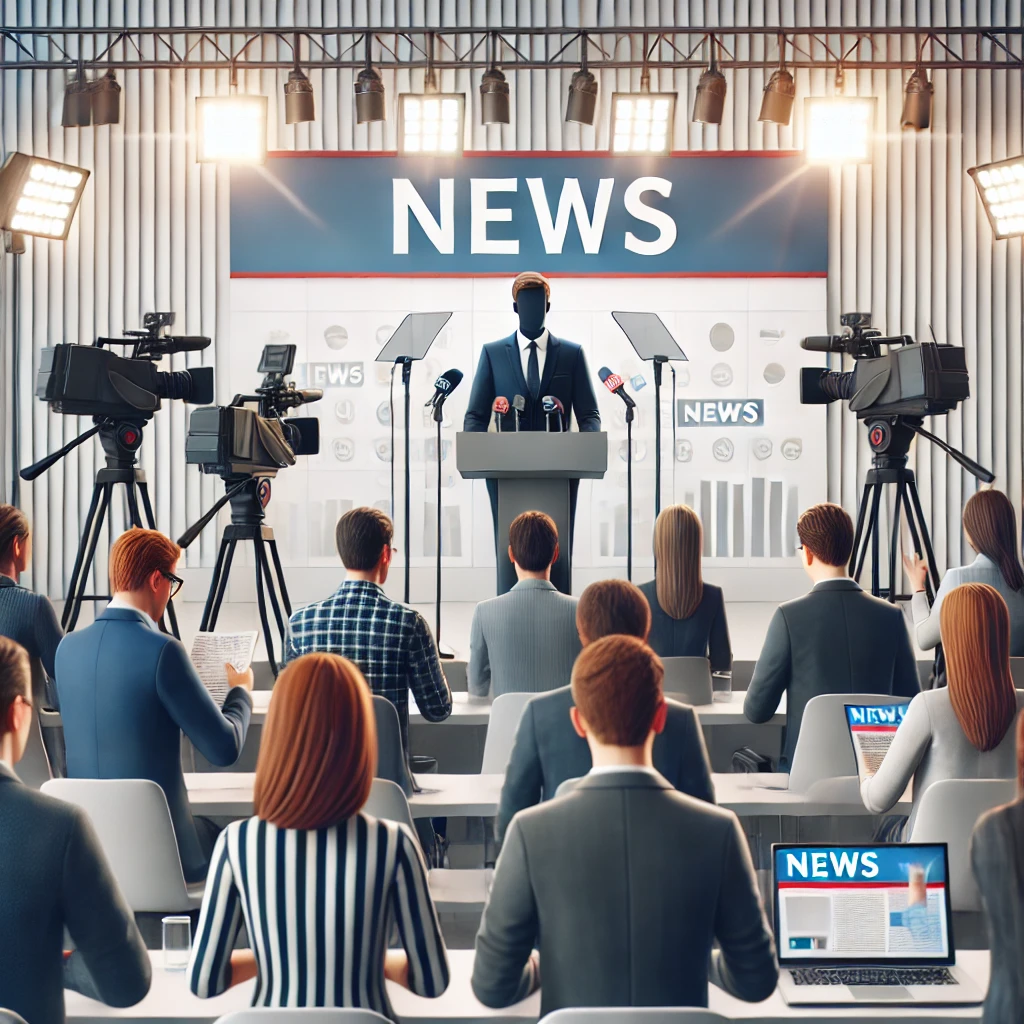
Press calls aren’t press conferences, and that confusion costs you coverage
Let’s cut the nonsense. A press call is a direct, usually invite-only briefing between a company or spokesperson and a small group of journalists. It’s not a press release, it’s not a press conference, and it’s definitely not a mass email blast. The press call definition that matters in 2026 is simple: a real-time conversation designed to give reporters context, quotes and angles they can’t get from a PDF.
Most PR teams screw this up because they treat press calls as another distribution channel. They’re not. They’re an access play. You’re trading your time and honesty for the journalist’s attention, and if you waste it, you don’t get a second call.
I’ve seen startups book a press call, read a script for 40 minutes, and then wonder why nobody published anything. That’s not a press call. That’s a hostage situation with a dial-in number.
How press calls fit into real public relations strategies
Any serious public relations strategy uses press calls for three jobs: shaping a narrative before it goes public, correcting misinformation, or giving depth to a story that’s already breaking. That’s it. If your news can be summarized in a 200-word press release, don’t book a call. Send the release.
Where press calls earn their keep is in nuance. A reporter covering a funding round doesn’t need you to read the number out loud. They need to know why the round happened now, what you’re doing with the money, and what could go wrong. That’s the stuff that turns a mention into a feature.
Press distribution tools have made it easier than ever to blast releases to thousands of outlets. That’s exactly why press calls have become more valuable. When everyone can distribute, almost nobody gets read. Access is the scarce resource now.
A press release gets you on the radar. A press call gets you into the story.
What actually happens on a press call (and what shouldn’t)
Here’s the structure that works. You open with two minutes of context, no slides, no corporate voice. Then you hand the floor to questions. If there are no questions, the call is over. That’s a feature, not a bug.
- Length: 20 to 30 minutes max. Anything longer means you’re filling space.
- Who’s on: One spokesperson who can actually answer hard questions. Not five people reading from the same doc.
- Who’s off: Legal, unless there’s a real legal risk. Lawyers on press calls kill the story.
- What you send after: A short follow-up email with the key facts, spelled out. No fluff.
What shouldn’t happen: reading a press release line by line, dodging questions with “we can’t comment on that,” or pretending a product launch is a world-changing event. Journalists can smell that from the dial tone.
Press call vs press release vs media briefing: stop mixing them up
A press release is a written announcement. It’s one-way, it’s on the record, and it’s designed to be quoted. A media briefing is usually broader, sometimes off the record, and often used for background. A press call sits in between: more personal than a release, more focused than a briefing.
If you’re launching a product, send a release. If you’re launching a product and you expect tough questions about pricing or competition, book a press call. If you’re trying to plant a long-term narrative without attribution, that’s a briefing, and you should say so explicitly before anyone dials in.
Mixing these up is the fastest way to lose a reporter’s trust. Tell them upfront what kind of call it is. On the record, off the record, or background. No games.
Why press calls still matter in 2026
AI-generated content has flooded every inbox on the planet. Journalists are drowning in pitches that all sound the same. A live press call is one of the few remaining signals that there’s a real human on the other end who knows their business.
That’s the importance of press releases and press calls in modern marketing: not volume, but signal. A well-run press call gives a reporter something they can’t get from a chatbot: a direct answer, a candid quote, a reason to care.
I’d argue press calls are more valuable now than they were five years ago. Not because they’re new, but because almost everyone has gotten lazy. The bar is on the floor. Clear, honest access stands out immediately.
How to write for a press call without sounding like a robot
The technique of writing press releases and call scripts is basically the same: short sentences, real numbers, no adjectives that don’t do work. If you wouldn’t say it out loud to a friend, don’t put it in the script.
Prepare three talking points. Not ten. Three. Each one should answer a question a journalist would actually ask, not a question you wish they’d ask. Then prepare for the question you’re afraid of. That’s the one that determines whether the call goes well.
Don’t memorize answers. Memorized answers sound like a press release read aloud, and reporters check out within 30 seconds. Know your facts, then talk like a person.
The mistakes that get you uninvited next time
Showing up late. Talking over the reporter. Sending a 40-page deck before the call. Using the word “revolutionary.” Refusing to give a straight answer on pricing, timing, or competition. All of these get you blacklisted from future calls, quietly.
The worst one, though, is treating the call as a favor. It’s not. The journalist is doing you a favor by showing up. Act like it.
If you can’t handle a tough question on a press call, don’t book one. Send a release, take the coverage you get, and come back when you’re ready to be honest.
When press calls are a waste of everyone’s time
If your news is a minor update, a rebrand, or a partnership nobody will care about in six months, skip the call. A short release does the job. Press calls exist for moments that need context, pushback, or a human voice.
Also skip them if your spokesperson can’t speak freely. A call where every answer has to be cleared by legal is worse than no call at all. It signals that you don’t trust the reporter, and they’ll remember that.
The companies that win with press calls in 2026 are the ones that use them sparingly, prepare honestly, and treat journalists like adults. That’s the whole playbook. Everything else is noise.
