Shopify is the platform behind thousands of online stores you scroll past every day without even noticing. If you have ever wondered how your neighbor suddenly started selling scented candles or phone cases online like a pro, chances are they are running a Shopify store right now.
I dug into this because so many people still think you need a developer, an accountant, and a small fortune to sell online. The reality in 2026 is way simpler than that. Shopify is a hosted ecommerce platform that lets anyone build, launch, and run an online store without touching a single line of code.
What Is Shopify, Exactly? No Fluff
Think of Shopify as renting a fully furnished storefront in a mall that never closes. You do not own the building, but you get the lights, the cash register, the security, and the cleaning crew included. You just bring your products and your hustle.
Founded in Canada back in 2006, Shopify now powers over 4 million stores worldwide, according to the company’s own investor reports. What is Shopify used for? Mainly for selling physical products, digital goods, services, and even subscriptions through a single dashboard.
Unlike open-source alternatives like WooCommerce, where you have to handle hosting, updates, and security yourself, Shopify is fully hosted. That means they handle the servers, the SSL certificate, the payment processing, and the constant security patches. You just log in and work.
How Shopify Actually Works: Step by Step
Signing up takes minutes. You go to Shopify.com, drop your email, answer a few questions about your business, and boom — you land on an admin panel that looks more like a social media feed than accounting software.
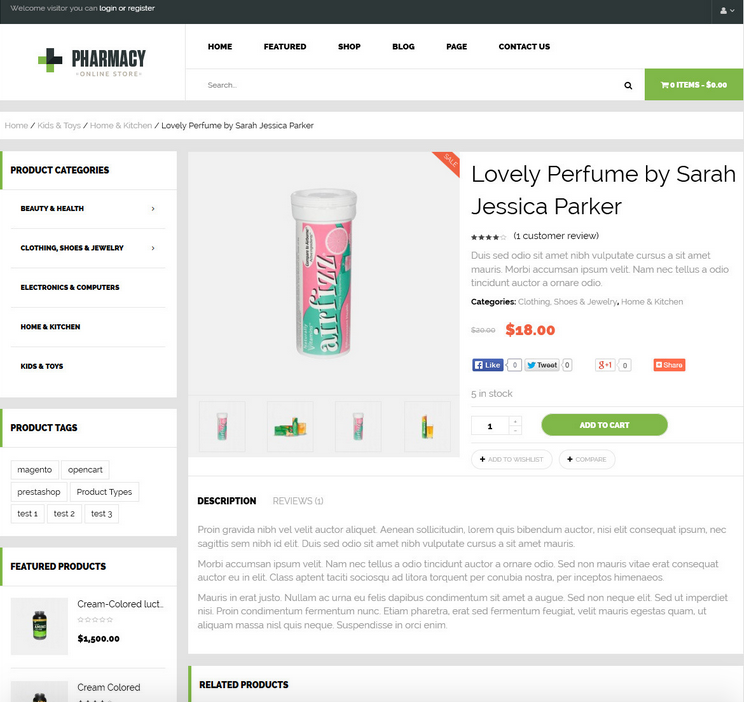
From there, building a Shopify store is basically drag and drop. You pick a theme from the Shopify Theme Store, upload product photos, write descriptions, and set your prices. No coding degree required, though if you do know HTML and Liquid (Shopify’s own templating language), you can customize way deeper.
Payments are the part most people worry about. Shopify Payments lets you accept credit cards without a third-party gateway in supported countries, and you can also plug in PayPal, Stripe, or dozens of local options. That flexibility is exactly what makes Shopify the go-to ecommerce platform for small sellers and huge brands alike.
The Boring Stuff They Handle For You
Taxes, abandoned carts, shipping rates, inventory syncing — this is where Shopify earns its monthly fee. Sales tax calculations vary by state and country, and getting them wrong can get ugly fast. Shopify calculates them automatically at checkout based on your settings.
Shipping is the other headache they solve. You can print labels directly from the dashboard, connect carriers like USPS, UPS, or DHL, and offer real-time rates to customers. No more running to the post office every afternoon with a notebook.
What Is Shopify Used For Beyond Selling T-shirts?
This is where most articles get lazy. They only talk about physical products. But in 2026, Shopify is used for way more:
- Digital products: ebooks, courses, presets, software licenses delivered instantly after purchase.
- Services: salons, consultants, and coaches booking appointments through Shopify apps like BookThatApp.
- Subscriptions: coffee clubs, beauty boxes, and memberships using apps like Recharge.
- B2B wholesale: Shopify Plus includes a dedicated wholesale channel for bulk buyers.
- Point of sale: Shopify POS turns your physical shop into a synced extension of your online store.
The Shopify App Store has over 8,000 apps, which is both a blessing and a trap. You can extend your store to do almost anything, but every app adds cost and site weight. My advice: start with the bare minimum and only add apps when a real problem shows up.
Shopify Pricing: What Nobody Tells You Upfront
Plans start around $39 per month for the Basic tier in the US, but that is not your real cost. Add a custom domain, premium theme, a couple of apps, and email marketing, and you are easily looking at $80–$150 monthly before you sell anything.
Shopify is not free, and it is not the cheapest option — but it is one of the most reliable when you factor in uptime, security, and support. If your store goes down during Black Friday, cheap hosting will cost you thousands in lost sales. That trade-off matters.
There is also the transaction fee issue. If you use Shopify Payments, you skip the extra 0.5%–2% fee. If you use a third-party gateway, Shopify charges you on top of the gateway’s fee. That detail gets overlooked constantly, and it eats margins fast.
Is Shopify Worth It in 2026?
Honestly? It depends on what you are selling and how fast you want to grow. If you are testing a single product idea with a $200 budget, Shopify might be overkill — a simple landing page plus Stripe could do the job.
But if you are serious about building a brand, running ads, and scaling past six figures, Shopify’s ecosystem is hard to beat. The analytics, the checkout optimization, the Shop Pay one-tap checkout — these things convert. And conversion is what pays your bills.
The people who fail on Shopify are usually the ones who expect the platform to do the marketing for them. Shopify gives you the store. It does not give you traffic. That part is still on you, and no app can fix a product nobody wants.
So if you have been sitting on a product idea, stop overthinking it. Open a Shopify trial, build something rough, and start learning by doing. The platform is not magic — but it removes enough friction that the only real excuse left is you.