

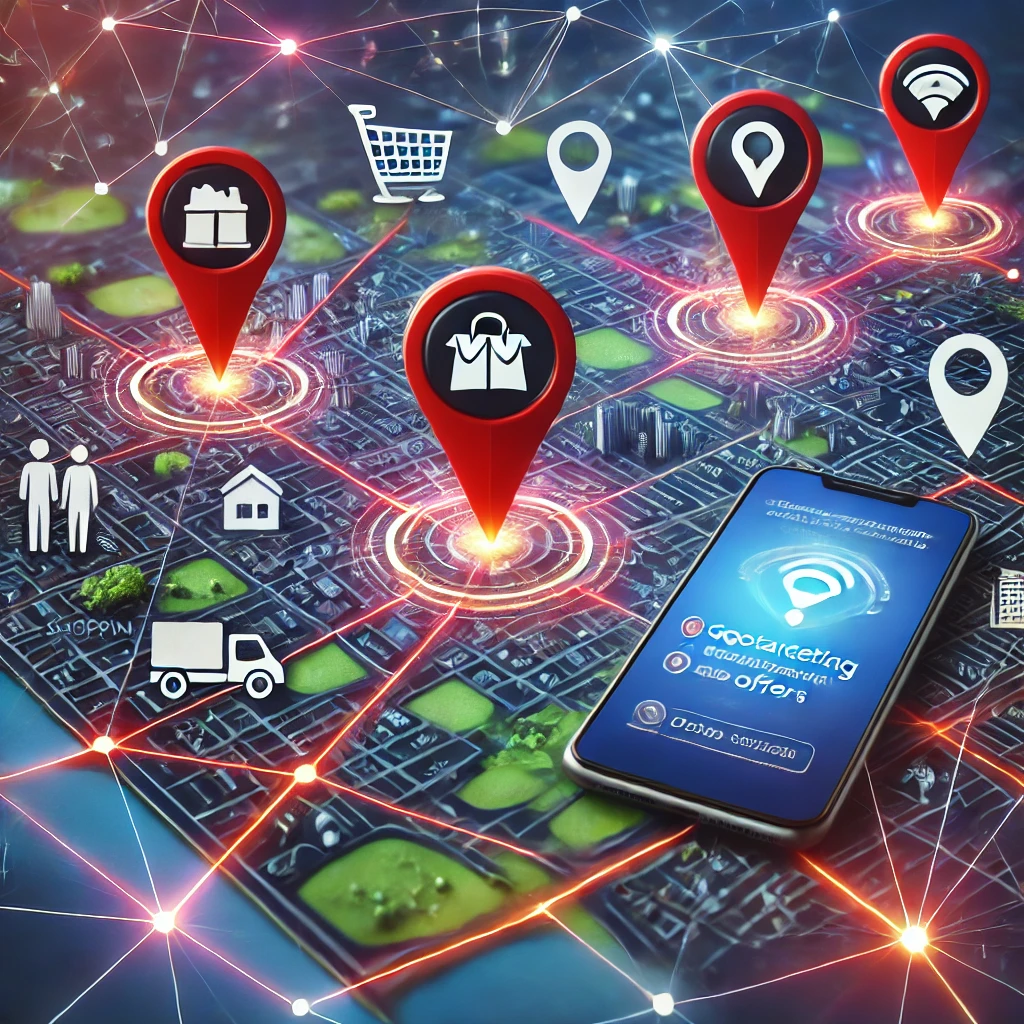
Let’s cut the crap: most advertising still runs on guesswork. Someone in a meeting says «blue feels trustworthy» and boom, the whole campaign gets painted blue. Neuromarketing and geomarketing are what happen when you stop guessing and start measuring. And in 2026, with ad budgets tighter than ever, that difference is brutal.
What neuromarketing actually is (and what it isn’t)
Neuromarketing is the use of brain and behavioral studies to design advertising campaigns that actually work. That’s it. No magic, no sci-fi mind reading. It’s about understanding how visual, auditory, and emotional stimuli push people toward a purchase decision.
The reason it’s blowing up is simple: traditional market research lies. People say one thing in a survey and do another at the checkout. Neuromarketing skips the lie by measuring what the brain does before the mouth opens. Eye-tracking, EEG, facial coding, galvanic skin response — these tools tell you where attention really lands.
Why scientific advertising beats demographic guesswork
Demographics tell you who someone is. Neuromarketing tells you what they feel in the two seconds before they click. That’s a massive difference in a neuromarketing advertising strategy.
Take color. There’s a reason almost every fast-food logo uses red and yellow — they trigger urgency and appetite. Or sound: the Intel chime, the Netflix «ta-dum.» These aren’t accidents. They’re tested responses that fire the same way in millions of brains.
Brands that integrate this stuff see it in loyalty and sales, not just in pretty reports. When you know which emotional trigger moves your audience, you stop burning budget on messages that bounce off.
Geomarketing in the wild: real examples that convert
Geomarketing uses geographic data to serve targeted, personalized ads based on where someone actually is. You’ve felt it: you walk past your favorite coffee shop and your phone buzzes with a 2-for-1 offer. That’s not coincidence. That’s location-based advertising doing its job.
Here’s where geomarketing examples get interesting:
- Real-time alerts: A restaurant fires discounts to anyone inside a 2 km radius during a slow afternoon.
- Climate-segmented ads: A clothing brand pushes rain jackets in Seattle and linen shirts in Miami on the same day.
- Logistics plays: Supermarkets adjust inventory by neighborhood — more plant-based products in one zip code, more bulk snacks in another.
These geomarketing examples aren’t gimmicks. They’re the difference between advertising to everyone and advertising to the person standing in front of your door.
Geotargeting vs. geofencing: stop mixing them up
People use these terms interchangeably and it drives me nuts. They’re different tools with different jobs.
Geotargeting serves personalized ads to people in a defined area — a city, a neighborhood, a zip code. Think of it as drawing a circle and saying «everyone inside gets this message.»
Geofencing creates a virtual fence around a specific location. When someone crosses that line — entering or leaving — it triggers a specific message. A mall store can ping you the second you walk through the entrance. A competitor’s parking lot can trigger a coupon before you even get out of the car.
The impact comes down to timing. Geotargeting is about place. Geofencing is about the exact moment someone enters or exits that place. Both matter, but they solve different problems.
Emotional marketing: the trigger that actually closes sales
Emotional marketing uses feelings to drive purchase decisions, and the research is clear: emotion beats logic almost every time. People buy on feeling and justify with facts afterward.
Coca-Cola has been running this play for decades — happiness, family, shared moments. It works because nostalgia, joy, and empathy are cheaper to trigger than they are to argue against.
Here’s the part most brands miss: emotional marketing isn’t about being sappy. It’s about being specific. A story that makes someone feel understood will outperform a discount every single time. Combine that with neuromarketing data on which emotions your audience actually responds to, and you’ve got a campaign that hits hard.
Benefits of geomarketing: the competitive edge nobody talks about
The benefits of geomarketing go way beyond «sending coupons nearby.» Done right, it’s a full strategic advantage:
- Hyper-personalization: Messages tailored to the user’s exact location, not a generic region.
- Cost efficiency: You stop paying to reach people who will never walk into your store.
- Better customer experience: Relevant content in real time, not spam three days later.
- Predictive analytics: Spot trends by region before they become obvious.
The catch — and there’s always a catch — is privacy. Geomarketing campaigns have to respect consent and data rules, or you’ll burn trust faster than you can build it. The brands winning in 2026 are the ones being transparent about why they’re contacting you and giving you an easy way out.
How to combine both without overcomplicating it
The real power move is stacking neuromarketing and geomarketing. Use neuromarketing to figure out what message triggers action. Use geomarketing to figure out where and when to deliver it.
Example: a gym knows (via neuromarketing) that its audience responds to progress-focused messaging and morning energy cues. Geomarketing then pushes that message to people within walking distance at 6:30 AM. That’s not advertising anymore — that’s being in the right head at the right place at the right second.
You don’t need a neuroscience lab or a data team of fifty. You need to stop treating your audience as a demographic and start treating them as humans with emotions, habits, and a location. That shift alone will outperform most of what your competitors are doing right now.
