

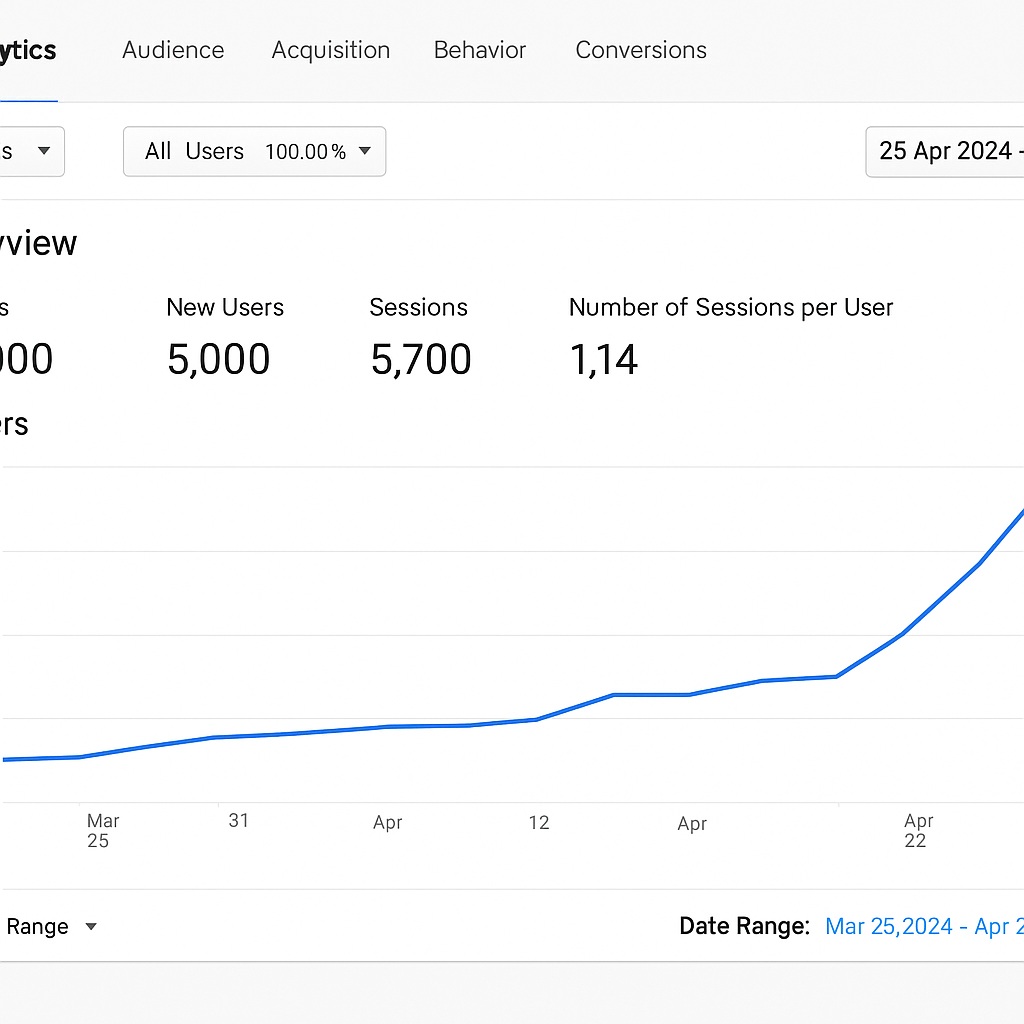
Let’s cut the crap: free web traffic isn’t a myth, but it’s also not a tap you turn on. If your site looks like a ghost town, the problem isn’t luck—it’s usually bad content, lazy SEO, or zero promotion. Here’s what actually moves the needle in 2026.
Why your site gets no visits (and it’s not Google’s fault)
Most people blame the algorithm. Wrong. Google doesn’t hate you; it just doesn’t know you exist. If your pages don’t answer real searches with clear keywords, you’re invisible.
Other silent killers: content that only screams «buy my stuff» without giving value, zero internal linking, a mobile experience that looks like a 2010 website, and hosting that loads slower than a dial-up modem. Fix those before chasing tricks.
Generate organic traffic without paying a cent
Organic traffic is the people who land on your site from Google, Bing, or any search engine without you paying for ads. It’s the highest-quality free web traffic you can get because those users are actively looking for something.
To pull it off, stop guessing keywords. Use tools like Ubersuggest, AnswerThePublic, or Google’s own «People also ask» to find longtails with real volume. Then write content that solves the exact question, not a vague essay.
- Internal links: connect related articles so Google understands your site’s structure and users stay longer.
- Mobile-first: over 60% of traffic comes from phones. If your site breaks on a phone, you’re bleeding visits.
- Page speed: every extra second of load time kills conversions and rankings. Compress images, use caching, ditch bloated plugins.
Posting on autopilot and hoping for virality is not a strategy. Pick one or two networks where your audience actually hangs out—LinkedIn for B2B, TikTok or Instagram for younger consumer niches—and go deep instead of spreading thin.
Share tips, not just promos. Give people something useful for free and they’ll click through to your site. Tools like Buffer or Metricool let you schedule posts, and Canva helps you create visuals that don’t look like a template from 2015.
Free web traffic from social doesn’t come from volume. It comes from relevance.
Local SEO: the goldmine most businesses ignore
If you have a physical location, local SEO is your fastest path to free web traffic. Create and verify a Google Business Profile, keep hours and photos updated, and ask every happy customer for a review. Google weighs those reviews heavily.
Include your city or region in your content naturally—»Italian restaurant in Madrid,» «plumber in Austin»—and you’ll show up when people search nearby. That’s qualified traffic, not random clicks.
Collaborations and guest posting still work
One of the quickest ways to generate web traffic for free is to borrow someone else’s audience. Write guest posts on blogs in your niche with a link back to your site. Partner with micro-influencers: they mention you, you give them content or exposure.
Skip the giant influencers—their fees are absurd and their audience rarely converts. Micro creators with engaged followers deliver better ROI for zero cash.
Free tools to measure what’s working
Don’t improvise. You need data to know which free web traffic sources actually bring visitors.
- Google Analytics 4: see where your visits come from and what they do.
- Google Search Console: discover which keywords bring impressions and clicks.
- Hotjar (free tier): watch heatmaps and recordings to see how users interact.
Check these weekly. If a page gets traffic but no engagement, rewrite it. If a keyword climbs, double down.
Mistakes that quietly kill your traffic
Ignoring mobile is suicide—Google penalizes non-responsive sites. Copying content gets you flagged as spam and buried. And letting your blog go months without updates tanks your rankings.
Another one: chasing every trend. You don’t need to be on every platform. You need one channel done well, one content format you can sustain, and consistency for at least six months.
Realistic timelines: how long does this take?
Organic traffic usually takes 3 to 6 months to show meaningful growth if you’re consistent. Anyone promising overnight results is selling snake oil. Free web traffic is a compounding asset—slow at first, then explosive.
Can you use AI like ChatGPT to speed things up? Yes, but never publish raw output. Edit it, add real experience, and fact-check every claim. Google’s helpful content system rewards originality, not recycled fluff.
FAQ: quick answers to real questions
Do social networks help SEO? Indirectly. Shares drive traffic and signals, but links and content quality matter more.
Is guest posting still worth it in 2026? Yes, if the site is relevant and not a link farm. One good guest post beats ten spammy ones.
What’s the fastest free traffic source? Local SEO and niche communities (Reddit, Facebook groups, forums) where your audience already asks questions you can answer.
Bottom line: free web traffic exists, but it’s earned through useful content, smart keywords, and relentless consistency. Pick one strategy, execute for 90 days, measure, and adjust. That’s how you stop being invisible.