

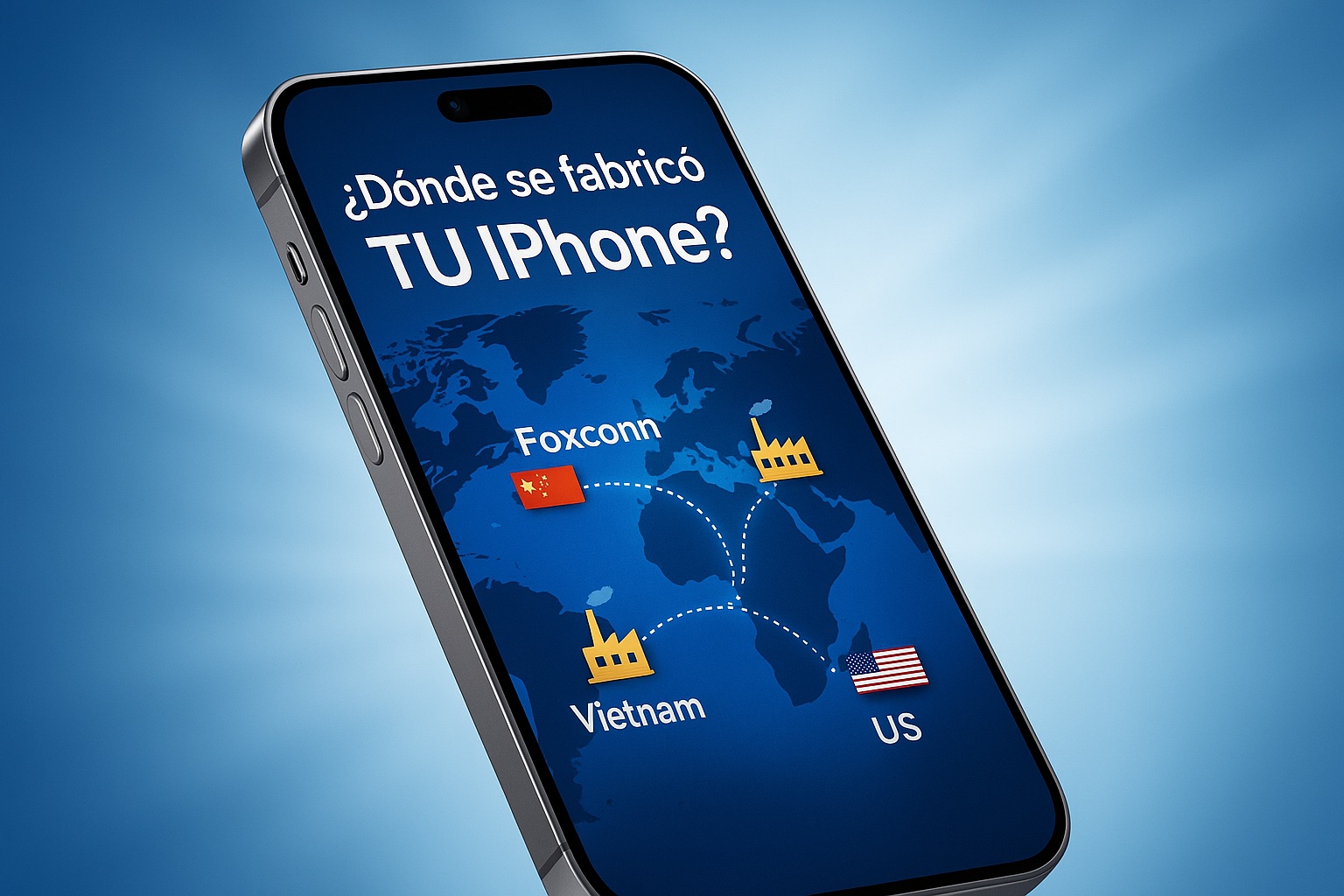
So you want to know where your iPhone was actually made. Not the marketing fluff, not the vague «Designed by Apple in California» line — the real country of manufacture. Here’s the thing: Apple doesn’t exactly shout this from the rooftops, but the data is there if you know where to dig. And in 2026, with supply chains shifting faster than ever, it matters more than most people think.
Where Is Your iPhone Manufactured? The Serial Number Never Lies
The iPhone manufacturing country isn’t printed on the box in big bold letters. Apple keeps it subtle. But the serial number — that string of characters in Settings > General > About — is your best clue. On older iPhones, you’ll also find it etched on the back. Apple’s own support page walks you through locating it per model, so no excuses there.
Here’s where it gets interesting. The first characters of the serial number used to tell you the assembly plant. Codes like F pointed to Fujian, China (Foxconn territory). C or G meant other Chinese factories. D was Chengdu. VN screamed Vietnam. And LL? That was the rare US-assembled unit, usually a refurb or import.
But in 2026, this system is messier than a teenager’s bedroom. Apple switched to randomized serial numbers back in 2021, so decoding the manufacturing country from the serial number alone is now a guessing game. The old codes still float around on forums, but they’re not gospel anymore. Anyone telling you otherwise is stuck in 2019.
Why Apple Doesn’t Want You Digging Into iPhone Origin
Apple has a love-hate relationship with transparency. They’ll tell you about recycled materials and carbon neutrality goals, but ask them to confirm which factory assembled your specific iPhone, and suddenly it’s radio silence. Why? Because revealing manufacturing locations opens a can of worms — labor practices, geopolitical tensions, supply chain vulnerabilities. It’s easier to keep the mystery alive.
That said, the iPhone manufacturing country does leak out through teardowns and regulatory filings. In 2026, the bulk of iPhones still come from China, but India and Vietnam are ramping up fast. Apple’s been pushing Indian production hard, and Foxconn’s Tamil Nadu plants are now shipping iPhone 16 and 17 models to the US and Europe. Vietnam handles a chunk of accessories and some assembly for older models.
If you bought your iPhone in the US and it says «Assembled in India,» don’t panic. Same hardware, same quality control, different flag on the factory.
How to Check iPhone Manufacturing Country in 2026 (Without Getting Scammed)
Forget the old serial number decoder apps — most are outdated or straight-up malware. Here’s what actually works:
- Check the box or receipt: Retail packaging sometimes lists the assembly country in tiny print near the barcode. Not always, but worth a look.
- Use Apple’s coverage checker: Enter your serial number on Apple’s official warranty page. It won’t say «Made in Vietnam,» but it confirms authenticity and purchase date, which rules out most counterfeits.
- Third-party tools like iMazing or CoconutBattery: These can pull manufacturing data from the device’s firmware. Not 100% accurate, but better than nothing.
- Inspect the SIM tray: On some models, the IMEI and assembly country are engraved there. Subtle but reliable.
If you’re buying second-hand, this iPhone manufacturing country check is your first line of defense against fakes. A counterfeit iPhone will often have a serial number that doesn’t match Apple’s database, or the build quality will feel off. Trust your gut — and the warranty page.
Does iPhone Manufacturing Country Actually Affect Quality?
This is where opinions get loud. Some people swear Vietnamese-assembled iPhones have tighter tolerances. Others say Indian units have more cosmetic defects. Honestly? It’s mostly noise. Apple’s quality control is brutal across the board. A Foxconn plant in Zhengzhou and a Tata plant in Hosur follow the same spec sheets. If a unit passes QC, it’s good.
But here’s a nuance: early production runs from a new factory tend to have more hiccups. When Apple first shifted iPhone 14 production to India, there were reports of higher defect rates. That’s normal — new lines take time to stabilize. By 2026, Indian assembly is mature. The gap has closed.
What does affect your experience? The model number and region. An iPhone made for the Chinese market has different software restrictions and sometimes different hardware (like dual SIM trays). That’s not about manufacturing country — it’s about market targeting. Don’t confuse the two.
The Real Reason You Want to Know Where Your iPhone Was Made
Let’s be honest: 90% of people checking iPhone manufacturing country are doing it out of curiosity or paranoia. Maybe you bought a «new» iPhone from a sketchy marketplace and want to verify it. Maybe you’re a supply chain nerd. Or maybe you’re trying to avoid Chinese-made electronics for political reasons.
If it’s the last one, good luck. Apple’s supply chain is a global web. Even an iPhone assembled in India uses components from China, Japan, South Korea, and the US. The «manufacturing country» label is about final assembly, not the origin of every screw and chip. Chasing purity here is a fool’s errand.
My take: use the manufacturing country as a data point, not a dealbreaker. If you’re buying used, verify the serial number through Apple. If it checks out, you’re fine. The rest is trivia.
What Apple Won’t Tell You About Future iPhone Production
Apple’s long-term plan is to reduce reliance on China. By 2027, they want India to handle 25% of global iPhone production. Vietnam is becoming a hub for Apple Watch and MacBook assembly. Brazil has a small footprint for local market units. The map is shifting.
Does that mean your next iPhone will be «Made in India»? Possibly. And that’s fine. The iPhone manufacturing country doesn’t change the A-series chip inside or the iOS experience. It changes the economics and politics behind the scenes — which is exactly why Apple keeps it quiet.
So next time someone asks where their iPhone was made, you can give them the real answer: it’s complicated, the serial number used to help, and Apple would rather you focus on the camera specs. But now you know better.
