
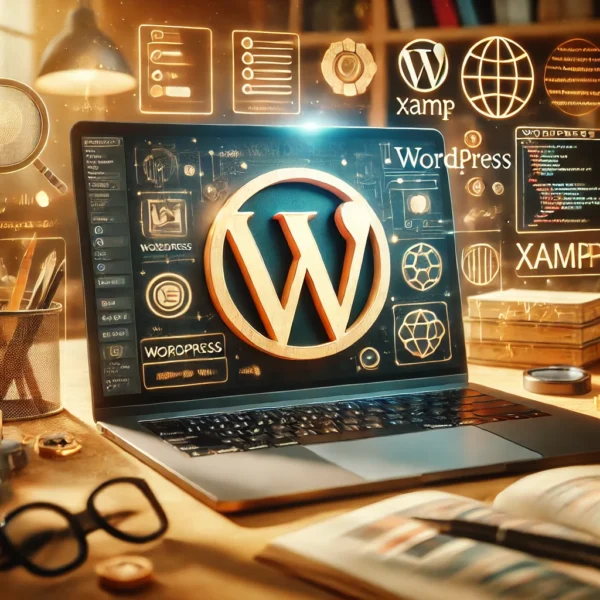
Are you wondering if WordPress is free? Or if there’s some fine print that nobody tells you about? Well, yes, it is free… but with caveats.
Maybe you’ve already seen it recommended everywhere: that it’s “easy,” “fast,” “the best to start a <a href="https://www.empresadeserviciosweb.com/servicios/blog/”>blog“… and of course, the moment comes when you ask yourself: but is it going to cost me money? The quick answer: yes, you can use WordPress without paying, but watch out, not everything is included.
Let’s clear up your doubts, because sometimes it happens that you jump into building your website and end up tangled in hosting, domains, and templates that cost more than a new phone.
What exactly does WordPress offer for free?
First things first: there are two versions of WordPress and here’s the first trick that confuses many people.
- WordPress.com → They give you the site set up, you don’t have to install anything.
- WordPress.org → You download the software, you install it wherever you want (yes, like an app).
Now… which one is free? Technically both have a no-cost version. But:
- On WordPress.com, the free version is quite limited (they put ads on it, you can’t install custom plugins, and your domain looks like
yourname.wordpress.com). - On WordPress.org, the software is 100% free. But you’ll have to pay for your hosting and domain. That said, you have total control over your website.
So, yes: WordPress is free, but building a pro website with it, not so much.
How much does it cost to have a real WordPress website?
There’s the other side of the coin. If you want a website without ads, with your own domain and more customized, you’ll have to invest something.
The basics you’ll have to pay for:
- Custom domain (like
yoursite.com): from $10 to $15 per year. - Hosting (the place where your website lives): you can start with plans from $2 to $10 per month.
And if you get into design:
- Premium themes: between $30 and $80 (one-time).
- Paid plugins: it depends, but some cost from $20 per year.
💡 Quick tip: if you’re just starting out, you don’t need to pay for everything at once. There are free themes and plugins that perform quite well.
What are the real advantages of using WordPress for free?
If you’re on team “I want to see how it goes first,” you can use WordPress.com on its free plan and try it with no commitment. It has its limitations, but it’s ideal for:
- Personal blogs.
- Basic portfolios.
- Test or learning sites.
Some good things it offers for free:
- Quite intuitive visual editor.
- Automatic updates.
- Hosting included (though with limitations).
Now, if you want to sell things, customize the design, or install plugins… you’ll need more freedom. That’s where WordPress.org takes the crown, although you have to get your hands dirty.
Which option is best for me if I’m just starting out?
It depends on your willingness to learn and how much control you want to have.
- If you’re looking for something quick, without complications, WordPress.com can work for you to get started.
- But if you want something more professional, without limits and you’re willing to learn a bit, WordPress.org is the way to go.
👉 If you don’t know anything about hosting, you can use services like Hostinger, SiteGround, or Bluehost, which install WordPress for you and guide you step by step.
Questions everyone asks (and maybe you too):
Can I have a blog without paying anything?
Yes, but you’ll get it with a domain like yourname.wordpress.com and with ads.
Can you make money with free WordPress?
You can try, but if you want to monetize properly (affiliates, online store, etc.), the ideal is to use WordPress.org with your own hosting.
Does WordPress belong to me if it’s free?
On free WordPress.com, not entirely. They control the server. On WordPress.org, your site is 100% yours.
In summary (because nobody has time to beat around the bush):
- Yes, WordPress is free, but it depends on how you use it.
- If you want something simple and don’t want to pay anything, use WordPress.com.
- If you want freedom and a full-fledged site, you’ll have to pay for hosting and a domain.
- Sometimes free turns out expensive, if you later realize you can’t do what you wanted.