
New anti-scam tool WhatsApp 2025: Alerts in chats, protect your privacy and avoid frauds from AI and cryptocurrencies. Set it up NOW!
WhatsApp Blocked 6.8 Million Accounts: The New Security Tools You Need to Know About
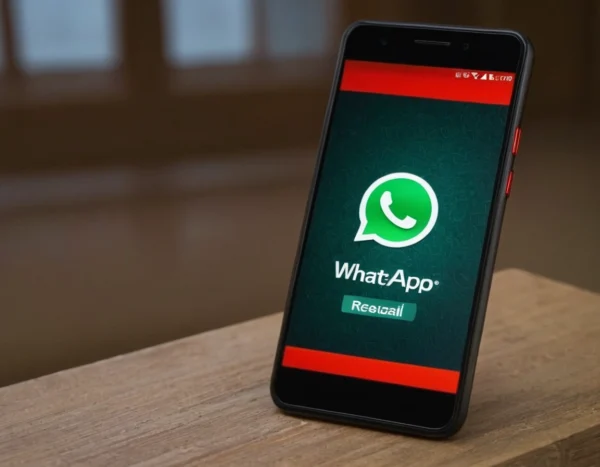
A few days ago, I came across a news story that caught my attention: WhatsApp removed more than 6.8 million accounts fraudulent so far this year. Most were linked to massive scams, from schemes involving cryptocurrencies to artificial intelligence deceptions.
But the most interesting part wasn’t just the number of blocked accounts, but the new security features that Meta is implementing to protect users. Here I’ll tell you the most relevant details.
WhatsApp blocks fraudulent accounts in 2025
The figure is overwhelming: 6.8 million accounts deleted in just six months. According to reports from Fox News and Clarín, many of these were associated with criminal networks operating with automated messages, phishing, and romance scams.
What’s curious is that, unlike previous years, now WhatsApp is using more advanced AI to detect suspicious patterns. They don’t just close accounts, they also block messages before they reach the recipient.
A detail few mention: 60% of the deleted accounts came from Asia and Africa, where massive fraud schemes are more frequent. But this doesn’t mean that in Latin America or Europe we’re safe.
New WhatsApp anti-scam tool
One of the most useful updates is the “security summary” when being added to an unknown group. Now, if someone who isn’t in your contacts invites you, you’ll see:
- Who added you (even if you don’t have them saved).
- How many of your contacts are in that group.
- A clear warning before joining.
Additionally, you can leave silently without the other members knowing. This is key to avoiding spam groups or pyramid schemes.
Alerts in chats with strangers
Another feature that’s generating buzz is detection of suspicious conversations. If someone who isn’t in your contacts messages you, WhatsApp will show a notice like:
“Don’t know this person? Be careful when sharing information.”
It’s not an automatic block, but it is a useful reminder to make you think twice before responding. Especially with messages that promise “quick earnings” or ask for verification codes.
How to avoid falling for AI and cryptocurrency scams
Criminals are using artificial intelligence to create fake audios and photos that look real. Some common tactics:
- Impersonating family members asking for urgent money.
- Fake crypto investment offers with “guaranteed returns”.
- “Prize” or “giveaway” messages that ask for personal data.
What to do? Always verify through another means (call, video) if a contact asks you for something unusual. And above all, never share security codes.
Privacy settings you should review now
Many people don’t know this, but WhatsApp has options to limit who can add you to groups. In settings > privacy > groups, you can choose:
- “Everyone” (anyone can add you).
- “My contacts” (only people you have added).
- “My contacts, except…” (useful for filtering out annoying acquaintances).
This small change reduces entry into junk groups by 80%, according to Meta data.
What comes next?
With the rise in digital fraud, WhatsApp continues to improve its systems. It’s rumored that they’ll soon add:
- Deepfake detection in audios and videos.
- Mandatory two-step verification.
- Stronger alerts on suspicious links.
In the meantime, the best thing is to stay informed and adjust your privacy. Because, in the end, internet security depends as much on the platforms as on our own habits.