
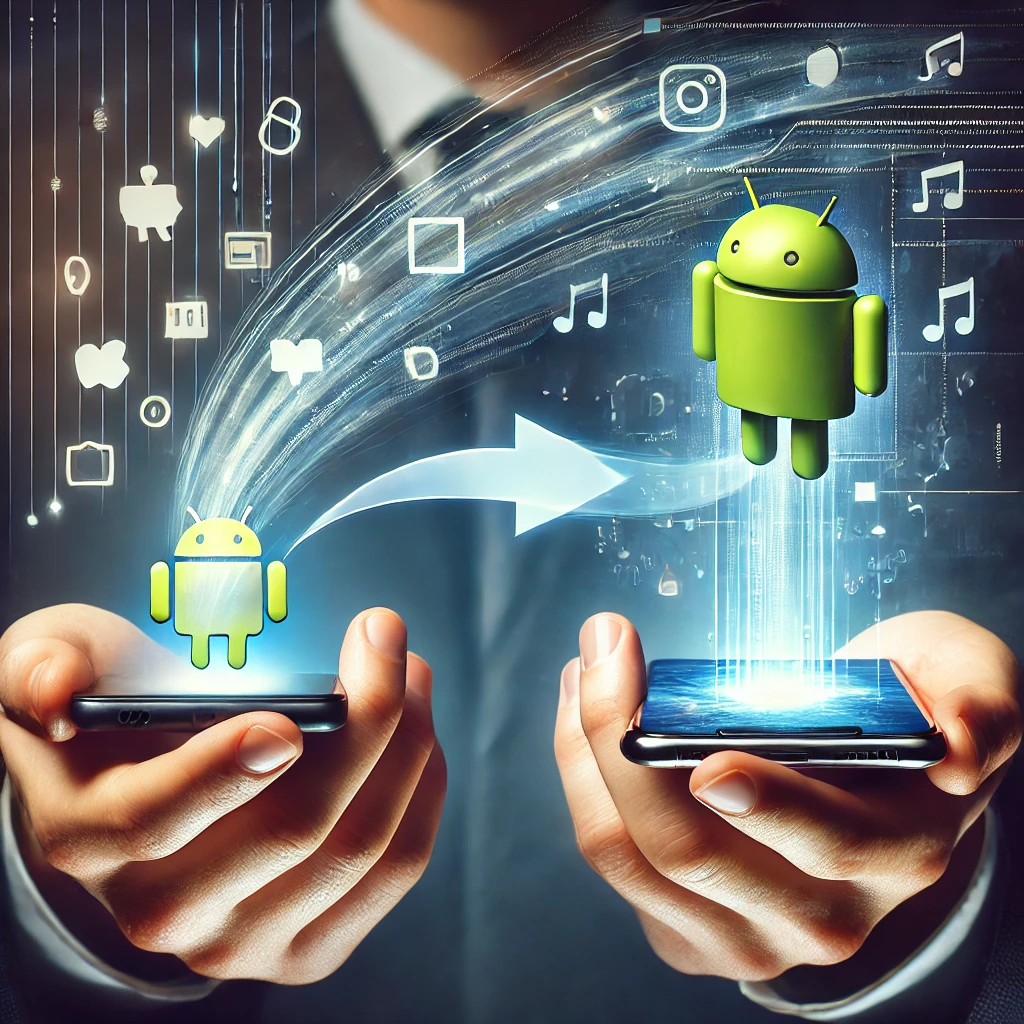
Switching from Android to iPhone may seem like a simple step, but believe me, there are several details you should keep in mind. If you have ever wondered whether it is really worth switching from Android to iPhone, you are in the right place. Before making that decision, let me tell you a couple of secrets about what migrating from Android to iPhone involves.
I recommend checking out this interesting article: Who uses cookies to track the websites you visit?.
First of all, the transition from Android to iPhone may seem complex, but moving from Android to iPhone without losing data is not as difficult as it seems. Apple has designed quite user-friendly tools to help you carry out this whole process more easily, such as Move to iOS, an official app that makes this process easier. With just a few steps, you will be able to transfer your contacts, photos, and even text messages to your new iPhone. This is something many Android users fear, but the reality is that you do not have to worry too much.
Now, why is iPhone better than Android? Well, that depends on what you value most in a phone. If you are a fan of build quality and operating system stability, the iPhone shines in these aspects. The iOS operating system has a smoothness and security that you will not find on any Android phone, especially in older versions. In addition, the user experience on iPhone is very well polished, with frequent updates and long-term support. Without a doubt, the advantages of using an iPhone are many, but not everything is rosy.
One of the first things you will notice when switching to an iPhone is the iOS vs Android operating system. The iPhone has a much more controlled and closed system than Android, which means you will have a much more consistent experience, but at the same time a little less flexible. If you like tweaks and customizations, this could be a shock. But if you prefer a simpler system without too many complications, iOS is your option.
Also, let’s talk about the iPhone features you should know before making the switch. One of the most notable is the optimization of hardware with software, which ensures that your device is always fast, even after a couple of years of use. Unlike Android, where sometimes performance can decrease over time due to updates or heavy apps, the iPhone remains fast thanks to its latest-generation processors.
Another important aspect is adapting to the iOS system. Although iOS is very intuitive, at first it can be a little strange for users accustomed to Android. You will not have the famous app drawer or widgets on the home screen like on Android. But with a little practice, you will quickly get used to Apple’s ecosystem. If you are one of those who always wonders how to adapt to the iOS system, the good news is that it is quite easy, and within a matter of days you will feel comfortable.
When it comes to migrating from Android to iPhone, many people worry about their apps and personal data. Do not worry, the migration process is quite simple and, as I mentioned earlier, tools like Move to iOS are designed precisely to save you headaches. Even so, it is a good idea to make a full backup of your Android device before starting, just in case.
Although it is true that the key differences between Android and iOS are notable, there are many reasons to consider the switch. For example, iPhones are known for having an impressive camera that surpasses many Android devices, especially in low-light conditions. In addition, if you are a fan of Apple-exclusive apps, such as iMessage or FaceTime, you will not find anything like them in the Android ecosystem.
Finally, we must mention security and privacy. Although both operating systems have their own security measures, iOS is known for taking a stricter approach to user privacy, something that might interest you if you value your personal information.
In summary, switching from Android to iPhone is not something that should be taken lightly. Although there are many advantages of iPhone over Android, there are also differences you will have to adapt to. The good news is that, if you take the time to learn and familiarize yourself with iOS, the transition can be much easier than you imagine. If you have ever wondered how to transfer data from Android to iPhone?, now you know that there are very simple solutions to do it.
Frequently Asked Questions (FAQ)
1. Is it difficult to switch from an Android to an iPhone?
Switching from Android to iPhone may seem complicated at first, but Apple has designed tools like the Move to iOS app, which makes migrating your data easier. With just a few steps, you will be able to transfer contacts, photos, messages, and much more. Although the iOS operating system is different, you will quickly get used to the new interface.
2. Will I lose my data when switching from Android to iPhone?
You do not have to worry about losing data. There are several options for transferring your data from Android to iPhone, such as using the Move to iOS app. This tool ensures that your photos, contacts, and other files are transferred without problems.
3. Why should I switch from Android to iPhone?
If you value a smooth experience and additional security, switching to an iPhone could be the ideal option. iOS offers more stable performance, constant updates, and a well-optimized ecosystem that many Android users find appealing.
4. Can I customize an iPhone like an Android?
iOS is less flexible than Android in terms of customization. You cannot change the system wallpaper or modify many other visual aspects. However, iPhone has other advantages such as better integration between hardware and software and better camera quality.
5. How do I transfer my apps from Android to iPhone?
Apps are not transferred directly. However, in the App Store you will find many of the same apps you used on Android. You will be able to download your apps again, but you will have to log in to each one of them and set up your preferences from scratch.
6. Does the iPhone have a better camera than Android?
Many iPhones have an excellent camera, especially in low-light conditions, something that some Android models cannot match. If the camera is a priority for you, the iPhone could be a better option.
7. What are the key differences between iOS and Android?
The main difference is flexibility. Android offers you great freedom of customization, while iOS offers a more consistent system optimized for stable performance. In addition, iOS has greater security and privacy, with more constant updates.
8. Is it more expensive to switch to an iPhone?
Yes, iPhone devices tend to be more expensive than many Android models. However, what you get in return is a device with a robust ecosystem, greater security, and a long lifespan, which could justify the price in the long term.
9. What should I do before switching from Android to iPhone?
Before making the switch, make sure to back up all your data. It’s also a good idea to familiarize yourself with the basic iOS features, such as managing the Control Center, privacy options, and using Siri.