
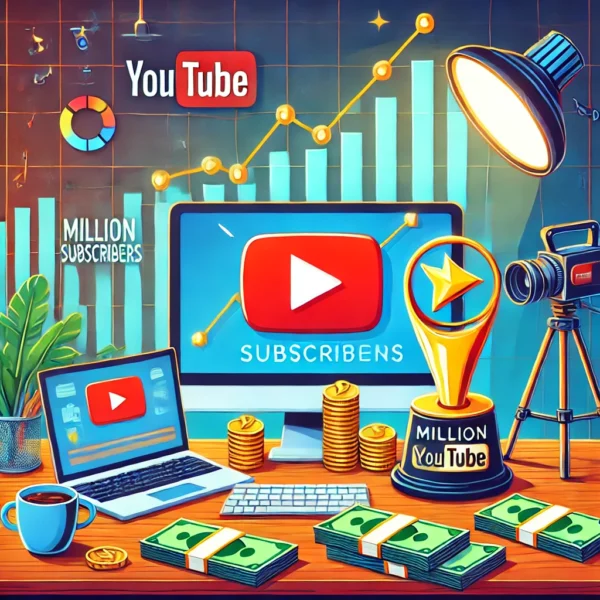
The world of digital content is constantly evolving, and the emergence of short formats has changed the rules of the game. Many creators wonder if it’s possible to generate income through videos under 60 seconds. The answer is a resounding yes, but it requires understanding an ecosystem different from traditional YouTube videos. In this article, we’ll explore the strategies, requirements, and methods to monetize on YouTube Shorts effectively and within the official guidelines of the platform.
It’s not about a magic formula, but rather a strategic process that combines creativity, consistency, and an understanding of the tools YouTube makes available to creators. Below, we break down everything you need to know.
Requirements to monetize on YouTube Shorts through the YouTube Partner Program
Before getting excited about potential earnings, it’s essential to know the main gateway: the YouTube Partner Program (YPP). This program is what allows creators to generate earnings through ads placed on their videos. However, the requirements for Shorts are specific and differ slightly from those for long-form content.
To be eligible and monetize on YouTube Shorts through ads, YouTube requires that you meet the following requirements, which you can verify in the <a href="https://support.google.com/youtube/answer/10085884″ target=”_blank” rel=”noreferrer noopener”>YouTube official Help Center:
- Have at least 500 subscribers on your channel.
- Have uploaded 3 public videos in the last 90 days.
- Accumulate 3,000 valid watch hours in the last year or 3 million valid views on public Shorts in the last 90 days.
It’s crucial to note that these 3 million views must be on Shorts, not on long-form videos. This threshold reflects the different value YouTube assigns to a view of a Short versus an hour of traditional content viewing. Once you meet these requirements, you can apply to join the YPP. After a review of your channel to ensure compliance with all policies, you can start monetizing.
How the YouTube Shorts Monetization Fund Works
This is the heart of the monetization system for Shorts. Unlike long videos, where advertising revenue (AdSense) is calculated primarily by CPM (Cost per Mille), Shorts use a revolutionary fund model.
The YouTube Shorts Monetization Fund is a pool of money that YouTube allocates to reward Shorts creators. Your monthly income doesn’t come directly from the ads shown on your specific video, but rather from your percentage of contribution to the total views and engagement that all monetized Shorts generated on the platform during that period.
In simple terms, YouTube pools all the advertising revenue generated by Shorts. Then, it analyzes what percentage of the total plays and engagement (likes, comments) of all monetized Shorts corresponded to your videos. That same percentage is what you get paid from the total fund. You can read the exact details on the official YouTube blog.
Strategies to increase your views and engagement on Shorts
Meeting the requirements and understanding the monetization fund is one thing, but the real key to making money is creating content that people want to watch and want to interact with. It’s not enough to upload videos randomly; you need a strategy.
First, master the hook. The first milliseconds of your Short are critical. You must capture the viewer’s attention immediately with an impactful image, an intriguing question, or the beginning of an action. If the user doesn’t get hooked, they’ll move on to the next Short in less than a second.
Second, optimize for sound. Most users watch Shorts with audio on. Using trending sounds from the “Create” tab of YouTube Shorts can drastically increase your visibility, since the platform groups videos that use the same audio. Finally, encourage interaction. Ask your audience to like, comment, subscribe, and share. These engagement signals are vital for YouTube’s algorithm to promote your content to more people.
Alternatives to monetize on YouTube Shorts beyond ads
The YPP is not the only way to generate income. The smartest creators diversify their revenue streams so they don’t depend solely on the monetization fund. One of the most effective ways is through affiliate marketing.
Including affiliate links in the description of your Shorts can be very lucrative. For example, if you create a Short about a beauty product, you can include a link to buy it on Amazon or from the specific brand. For every sale generated through your link, you receive a commission. Be transparent with your audience, disclosing that the link is an affiliate link if necessary, and always choosing products you genuinely recommend.
Another powerful alternative is promoting your own business or personal brand. Shorts are a perfect showcase to display your skills, products, or services. A baker can show the process of creating a cake, a consultant can give a quick business tip, and an artist can show a time-lapse of their work. This attracts potential customers directly to your website or online store.
The importance of building a loyal community around your channel
At the end of the day, algorithms and cold metrics are about people. The most stable and lasting monetization comes from having built a community that trusts you and values your content. Shorts are a fantastic tool to strengthen that bond.
Use Shorts to give behind-the-scenes content, answer frequently asked questions from your comments, run polls about what content they want to see next, or simply to interact in a more casual and frequent way. This human connection is what turns an occasional subscriber into a die-hard fan. That community will not only consume your Shorts content, but will also be the audience base for your long videos, live streams, and any other project you undertake.
Common mistakes to avoid when trying to monetize on YouTube Shorts
In the rush to grow fast and reach monetization requirements, many creators make mistakes that, at best, slow down their growth and, at worst, can lead to demonetization or channel termination.
The most serious mistake is reusing content from other creators without transforming it by adding unique value. YouTube is very strict about duplicate content and copyright claims. Always create original content. Another common mistake is completely ignoring thumbnails and titles. Although Shorts are primarily consumed in a vertical feed, a good custom thumbnail and a title with keywords can persuade a user to click when your Short appears in search results.
Lastly, avoid inconsistency. Uploading 10 Shorts in one day and then disappearing for a month is not a winning strategy. The algorithm rewards consistency. It’s better to upload one high-quality Short a day than 7 mediocre ones in a single sitting.
The future of monetization on YouTube Shorts and trends to follow
The short video format continues to mature, and YouTube continues to iterate and improve its monetization tools. Recently, the platform has been testing and implementing ads between Shorts, suggesting that the monetization fund could evolve toward a model more similar to that of long videos in the future.
Staying informed about these updates is crucial. The best way to do so is to follow the official YouTube Creators Hub, where they announce all major changes. Trends point toward deeper integration between Shorts and other forms of content, making the channel a unified ecosystem where short and long formats feed each other to retain and grow the audience.
Real user questions and answers
Frequently Asked Questions (FAQ)
Is it possible to monetize on YouTube Shorts from day one?
No, it is not possible. You must first meet the specific requirements of the YouTube Partner Program for Shorts: 500 subscribers, 3 public uploads in 90 days, and 3 million Shorts views in that same period or 3,000 watch hours of traditional content.
How is revenue from the YouTube Shorts Monetization Fund calculated?
YouTube pools the advertising revenue from all Shorts. It then calculates what percentage of the total views and engagement of all monetized Shorts corresponded to your videos. That same percentage of the total fund is what is allocated to you as revenue.
Can I use copyrighted music in my YouTube Shorts and still monetize?
Yes, but with nuances. YouTube has agreements with many record labels that allow the use of their music, but the advertising revenue from that Short could be shared with the music rights holder or, in some cases, the advertiser could receive all the revenue. To maximize your earnings, it is recommended to use royalty-free sounds from YouTube’s audio library or create your own original audio.
Are YouTube Shorts good for promoting my long videos?
Absolutely. Shorts are an excellent discovery tool. You can create a highlights clip or an intriguing teaser of a long video and add a link or an animated overlay inviting viewers to watch the full video on your channel. This helps drive traffic between both formats.