

Let’s cut the crap: if you run a tavern, a food truck, or a sit-down restaurant and you still don’t have a website in 2026, you’re not “old school” — you’re invisible. And invisible restaurants don’t fill tables. Period.
I know the excuse. “I have Instagram, I have Facebook, I get orders through WhatsApp.” Cool. But that’s not a restaurant website. That’s renting a room in someone else’s house. One algorithm change, one Meta outage, one account hack, and your entire digital presence vanishes overnight. Try serving dinner to a dining room full of people who can’t find you.
Why “near me” searches are killing restaurants without a website
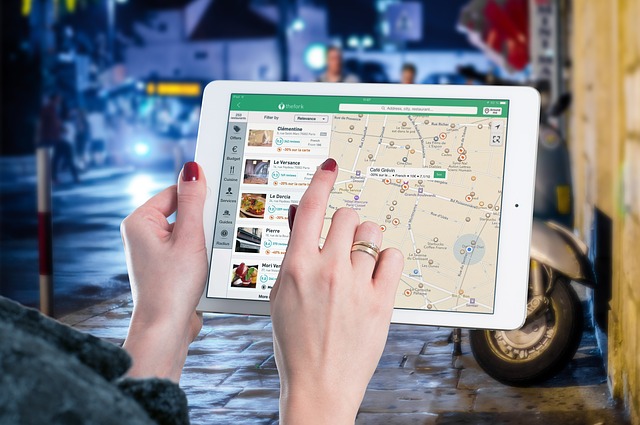
Open your phone right now. Type “good cheap food near me.” What comes up? A map pack with three or four restaurants, each with a menu link, hours, photos, and a click-to-call button. If you’re not in that pack, you don’t exist for that hungry person standing two blocks away with $25 in their pocket.
Google’s local search results are heavily weighted toward businesses with a proper website. Not a Facebook page. Not a Linktree. An actual domain with your menu, your address, and your hours. The restaurant website is the single strongest local SEO signal you can own, and most small kitchens still ignore it.
I’ve watched neighborhood spots with incredible food lose customers to mediocre chains purely because the chain had a website that loaded in under two seconds and showed the menu without forcing anyone to log in. That’s not marketing magic. That’s basic digital hygiene.
What a restaurant website actually does for you (beyond “looking pretty”)
Let’s be concrete. A website for restaurants in 2026 does three jobs that no social profile can replicate properly:
- Owns your menu and prices. No more “DM me for prices.” That’s a conversion killer. People want to see the menu, the prices, and the portions before they commit.
- Drives reservations and orders directly. Table booking, pickup orders, delivery links — all in one place, without paying 30% commission to a third-party app on every single order.
- Builds local search authority. Reviews, photos, structured data, opening hours — Google reads your site and rewards you with visibility in the local pack.
And yes, the mouth-watering food photography matters. But it matters on a page you control, not buried in a feed that shows your best dish between a meme and a political rant.
“But I don’t have time to manage a website.” You don’t have time to lose customers either. Pick your poison.
I’m not telling you to delete Instagram. Social media is the handshake. Your website is the contract. One gets attention; the other closes the deal.
Think about how people actually behave. They see your Reel, they get hungry, they screenshot your handle, and later — maybe days later — they search for you on Google. If the only thing that comes up is a Facebook page with three outdated photos and no menu, you’ve lost them. If a clean website appears with your full menu, hours, and a “Book a Table” button, you’ve got them.
Relying only on social media for your restaurant is like renting your dining room from a landlord who can evict you without notice. Your website is the property you own. That’s not a metaphor. It’s the actual difference between a business that survives algorithm shifts and one that doesn’t.
The real cost of not having a restaurant website in 2026
Let’s do rough math. A mid-sized neighborhood restaurant serves, say, 60 covers on a Friday. If just 10% of potential customers can’t find you online and go somewhere else, that’s six tables gone. At $30 a head, that’s $180 a night. Multiply by four weekends: $720 a month. That’s your website paid for ten times over.
And it compounds. Every person who Googles you and finds nothing becomes a permanent lost customer, because they’ve now assigned their loyalty to a competitor who showed up in the search results. Restaurants without a website aren’t just losing one sale. They’re losing the entire lifetime value of that diner.
There’s also the delivery problem. If you’re only on third-party apps, you’re paying commissions that eat your margins alive. A direct ordering option on your own restaurant website keeps that money in your pocket. Every dollar saved on commission is a dollar that funds your kitchen, your staff, your rent.
What a no-BS restaurant website actually needs in 2026
Forget the 15-page corporate monstrosity. You need five things, done well:
- Mobile-first design. 80%+ of your traffic will come from phones. If it looks bad on a phone, it’s bad, full stop.
- A real, updated menu with prices. Not a PDF. Not a blurry photo of a printed menu. Actual text that Google can read.
- Click-to-call, click-to-map, click-to-book. Three buttons, visible immediately, no scrolling required.
- Google Business Profile integration. Photos, hours, reviews — synced and consistent with your site.
- Speed. If it takes more than three seconds to load, half your visitors are already gone.
That’s it. You don’t need a blog, you don’t need a newsletter, you don’t need a chatbot. You need a fast, honest page that tells a hungry person where you are, what you serve, and how to give you money.
Stop hiding your food from the world
Here’s the thing nobody says out loud: your food doesn’t have a marketing problem. Your visibility does. The best tacos in the neighborhood don’t matter if the only people who know about them are the ones who walk past your door by accident.
A website isn’t an expense. It’s the cheapest, most permanent employee you’ll ever hire. It works 24/7, never calls in sick, never argues about tips, and it tells every hungry person within five miles exactly why they should eat at your place tonight.
So no — I’m not going to pretend this is optional. In 2026, a restaurant without a website is a restaurant competing with one hand tied behind its back. Get the site. Fill the tables. Stop bleeding customers to the place down the street that figured this out two years ago.