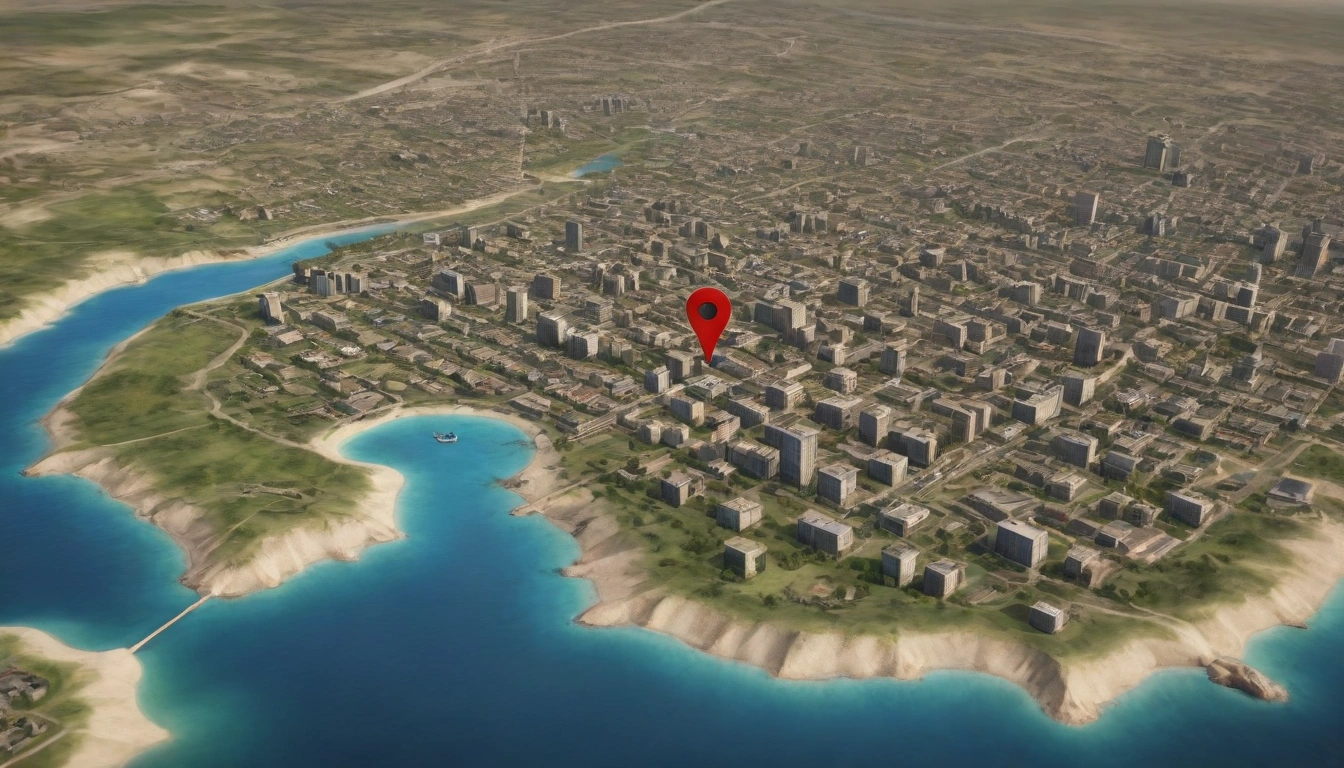
Let’s cut the fluff. If you run a local business and you’re not squeezing your Google Business Profile (formerly Google My Business), you’re literally handing customers to your competition. I’ve spent years digging into local SEO case studies, and the pattern is always the same: the businesses that win on Google Maps are the ones that treat their listing like a living asset, not a one-time setup.
Why Google Business Profile Optimization Still Crushes in 2026
Here’s the thing most guides won’t tell you: Google doesn’t rank profiles. It ranks signals of trust and activity. Your listing is just the shell. What fills it matters way more than having a verified pin.
A restaurant in Valencia jumped 40% in visibility last year. Not because they hired an agency. They simply uploaded real photos weekly and updated their menu every seven days. That’s it. Google’s algorithm reads freshness and engagement like a hawk.
So when we talk about Google Business Profile optimization, we’re really talking about feeding the machine consistently. No magic, no hacks. Just work that most people are too lazy to do.
The 10 Keywords That Actually Attract Buyers (Not Just Traffic)
Forget vanity keywords. You don’t want “best restaurant.” You want “paella delivery near me open now.” Long-tail intent keywords convert.
I reviewed a shoe store in Madrid that started ranking for “comfortable shoes for women downtown Madrid” after rewriting their description. They didn’t stuff keywords. They wrote like a human explaining what they sell and to whom.
Your Google Maps SEO hinges on these 10 keyword slots:
- Business name (if Google allows it without suspension)
- Primary category (pick the most specific one, not the broadest)
- Secondary categories (up to 9 more, use them wisely)
- Description (750 characters, front-load the money phrase)
- Services (list every single service, even the boring ones)
- Products (with prices and descriptions)
- Attributes (wheelchair access, LGBTQ+ friendly, etc.)
- Posts (weekly updates signal activity)
- Q&A (seed your own questions and answer them)
- Reviews (the keywords customers use in reviews matter)
Most businesses fill out three of these and call it a day. That’s why they stay invisible.
Reviews: The Real Ranking Factor Nobody Wants to Grind
A mechanic shop in Barcelona pulled 50 reviews in three months. Their secret? They asked after solving a problem, not before. No discounts, no bribes. Just: “If you liked the service, help us by sharing your experience.”
Here’s what most people miss: Google’s algorithm rewards review length and specificity. A review that says “Great service” does nothing. A review that says “I arrived with an urgent breakdown and they fixed it in one hour” gives Google context. That context ranks you for emergency keywords.
Also, respond to every review. Even the nasty ones. A polite, professional reply to a one-star review shows engagement and can actually improve your local ranking. I’ve seen it happen.
Weekly Posts on Google Business Profile: Do They Still Work?
Yes, but only if you’re not spamming. A bookstore in Seville posted every Tuesday: new releases, author signings, flash sales. Their profile stayed active, and Google showed it more often in the local pack.
One or two posts per week is the sweet spot. More than that and you look desperate. Less than that and Google forgets you exist.
Use posts for:
- Offers (limited-time discounts)
- Events (in-person or virtual)
- New products (with a clear call-to-action)
- Updates (holiday hours, new staff, etc.)
Each post is a mini-landing page. Treat it that way.
Common Mistakes That Kill Your Local SEO
I’ve audited hundreds of profiles. These three mistakes are the most common and the most damaging:
- Duplicate profiles. A hotel in Malaga lost massive visibility because two listings competed against each other. Google got confused. Merge them or delete the duplicate.
- Wrong hours. If you close at 8 PM but your listing says 10 PM, customers complain, and Google notices. Update your hours for holidays and special events.
- Stock photos. Nobody trusts a generic image of a smiling model in an office. Show your real storefront, your team, your products. Real photos build real trust.
Fix these before you even think about advanced tactics.
How to Create a Google Business Profile That Actually Converts
If you haven’t set up your profile yet, here’s the no-nonsense process:
- Go to Google Business Profile and sign in with your Google account.
- Enter your business name exactly as it appears on your signage and legal documents.
- Choose the most accurate primary category. Don’t pick “Restaurant” if you’re a “Vegan Restaurant.”
- Add your address, service area, and hours.
- Verify via postcard, phone, or video (depending on your region).
- Upload at least 10 real photos immediately.
- Write a description that includes your top keyword naturally.
- Add services, products, and attributes.
- Post your first update within 24 hours.
- Ask your first five customers for reviews.
That’s the foundation. Everything else is maintenance and iteration.
Consistency Beats Shortcuts Every Single Time
There are no secret tricks. The businesses I’ve seen succeed on Google Maps and Google Business Profile are the ones that show up consistently. They update photos, respond to reviews, post weekly, and keep their info accurate.
Local SEO is a long game, but the results compound. You won’t rank overnight. But in six months, you’ll wonder why you didn’t start sooner.
Stop overthinking. Open your profile right now and fix one thing. Then fix another tomorrow. That’s how you win locally in 2026.